


Why Most High-Stakes Events Fail Without Professional Live Streaming
Professional live streaming services protect high-stakes events from audio failures, unstable internet, poor lighting, and stream outages through broadcast-grade production, dedicated engineering, and redundant backup systems designed to keep every live event running cleanly.
Professional live streaming services deliver clear audio, reliable performance, and polished visuals for events where failure is not an option. The difference between a broadcast that runs cleanly and one that visibly breaks down in front of an audience is not the equipment. It is the expertise, coordination, and redundancy discipline behind it. This guide covers what professional live streaming actually involves, why high-stakes events require it, and the production insights from Portland Production Services that explain exactly why the two audio environments, the microphone systems, the power, and the platform decisions all matter more than most event planners realize.
What Professional Live Streaming Services Actually Include
Professional live streaming services are not a camera pointed at a stage with an internet connection attached. At a professional level, streaming is treated as a broadcast: a fully integrated production system where every component is managed, monitored, and backed up by a team that understands how these elements interact under live conditions.
A complete professional live streaming production includes:
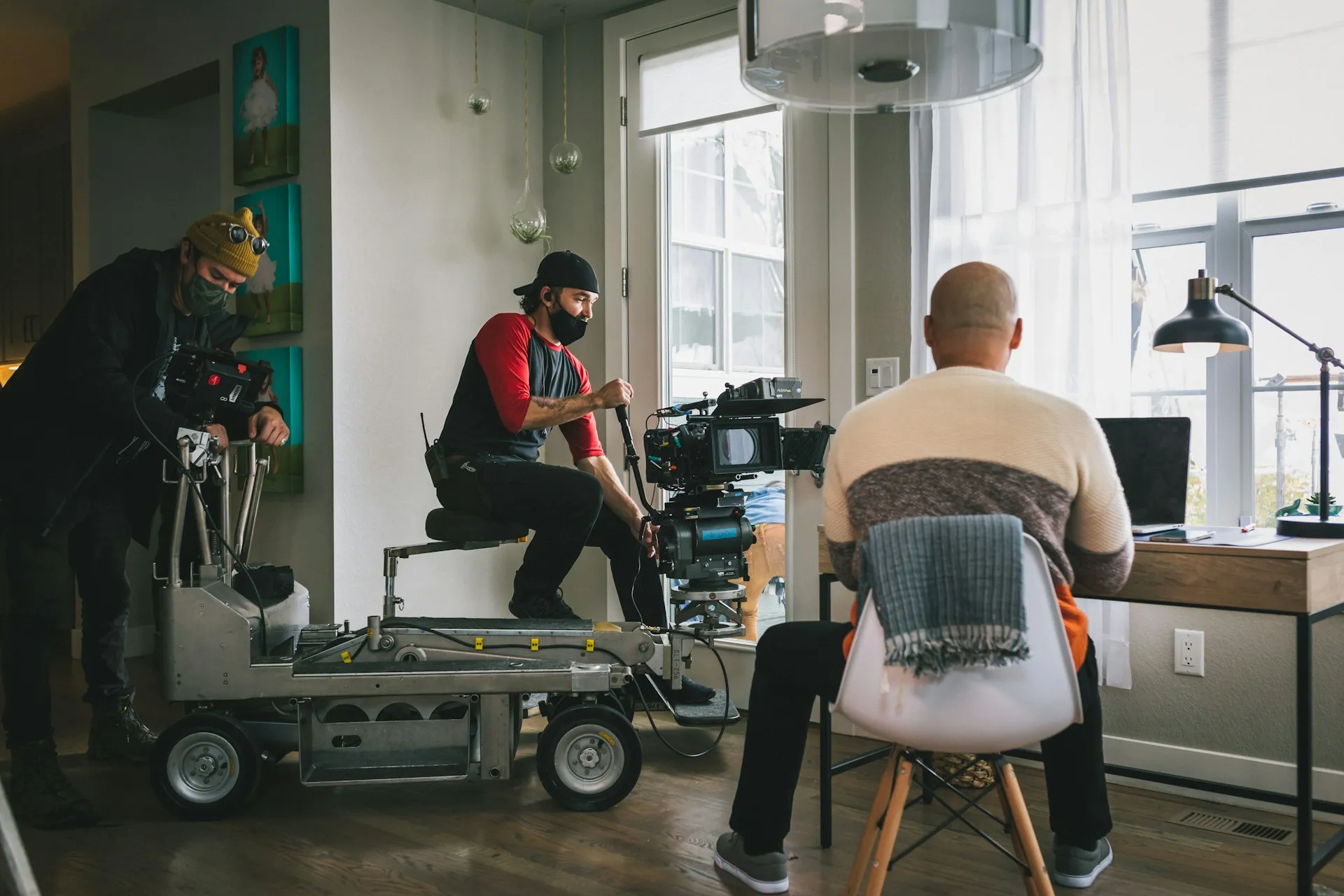
Multi-camera video capture and live switching. Multiple cameras covering different angles, with a technical director making real-time switching decisions to create a dynamic, editorially intentional viewing experience rather than a locked-off wide shot.
Dedicated audio mixing for broadcast. A separate audio feed engineered specifically for stream delivery, distinct from the in-room PA mix, with levels, EQ, and dynamics processing optimized for headphone and speaker playback rather than large-venue acoustic environments.
Professional lighting calibrated for cameras. Stage and subject lighting designed to deliver consistent, natural-looking results on camera throughout the event, not just adequate in-room visibility.
Streaming encoders and platform integration. Hardware or software encoding that compresses and delivers the signal to the target platform at the specified quality settings, with monitoring to confirm delivery is stable throughout the event.
Redundant backup systems. Backup paths for audio, video, internet connectivity, recording, and encoding that allow the production to continue without audience-visible interruption if any primary system encounters a problem.
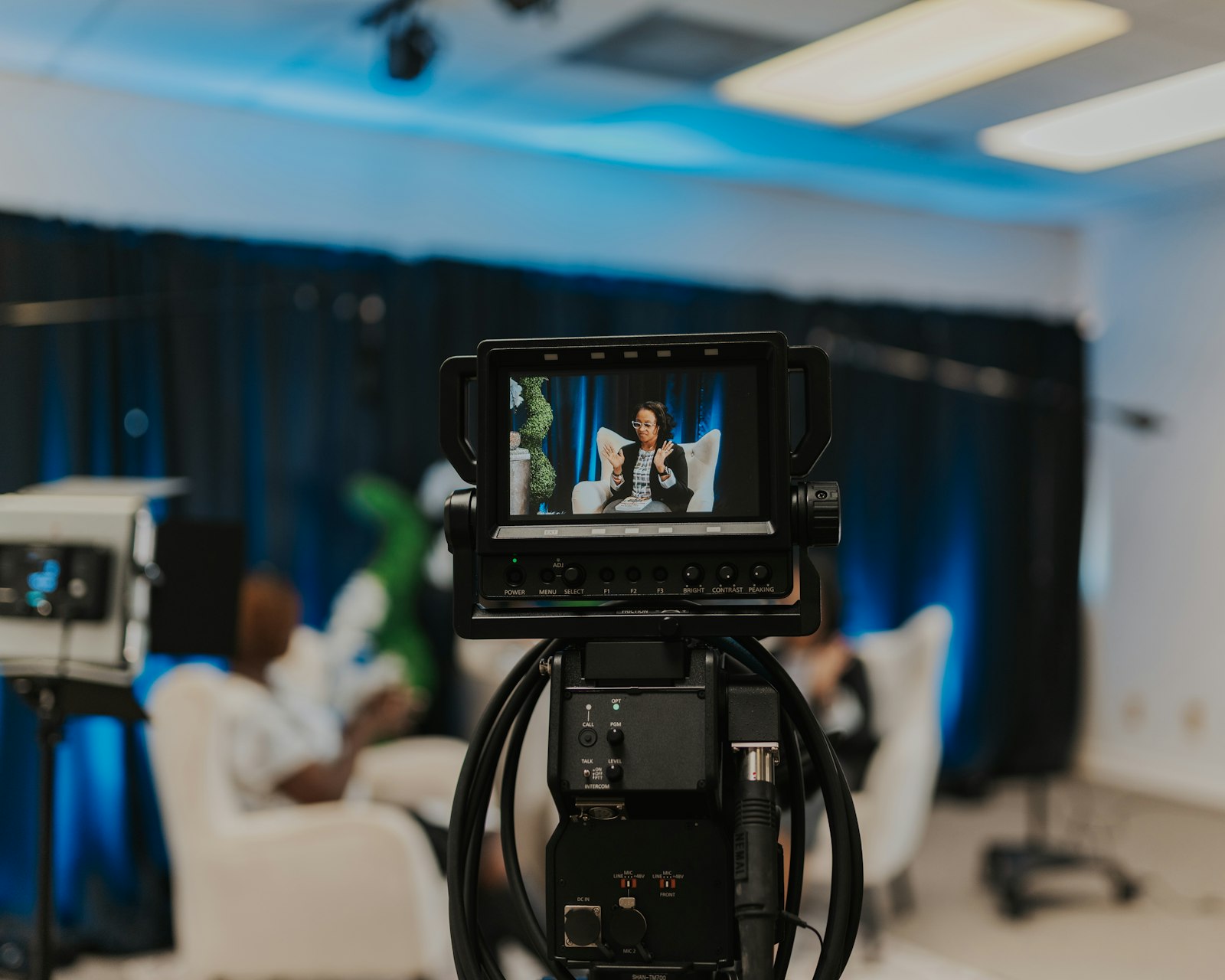
Real-time monitoring and live troubleshooting. Active monitoring of stream health, audio levels, video quality, and connectivity throughout the event, with experienced engineers who can identify and resolve issues before they surface in the broadcast.
The goal of professional live streaming services is not just to go live. It is to ensure that every viewer can clearly see, hear, and follow the event without interruption, from the first frame to the final close.
Why High-Stakes Events Cannot Afford DIY Streaming
DIY streaming setups work in low-pressure environments where expectations are minimal and consequences are limited. They fail consistently at high-stakes events for a structural reason: they are built for optimistic conditions, not for the reality of large, complex, live productions.
The failure modes are predictable:
Unstable internet. A connection that performs adequately during testing becomes unstable when the room fills with guests competing for bandwidth on shared venue Wi-Fi. The stream degrades or drops, and there is no backup path to recover it.
Inconsistent audio. A single microphone mix routed directly to the stream without a dedicated broadcast feed produces audio that sounds natural in the room and distorted, muddy, or inconsistent through headphones. The EQ that makes in-room audio work actively makes stream audio worse when applied without modification.
Poor lighting. Venue house lighting designed for in-person visibility creates overexposed faces, inconsistent color temperatures, and heavy shadows on camera. Without lighting calibrated for video output, the stream looks amateur regardless of camera quality.
No redundancy. When the primary system fails, there is no backup. The stream goes down. The audience waits. The recovery is visible and the impression it creates is permanent.
Lack of coordination. A single operator managing cameras, audio, encoding, and troubleshooting simultaneously cannot maintain the production discipline required by a complex, fast-moving live event. Problems that an experienced, role-divided production team would resolve invisibly become audience-visible failures under a single-operator setup.
Professional live streaming services are built to eliminate every one of these failure modes, not to prevent them from occurring, because they will, but to ensure they never reach the audience.
Audio: The Most Critical Element in Any Live Stream
In professional live streaming, audio is the single element that most directly determines whether viewers stay engaged or disconnect. This is not a subjective preference. It is the most consistent behavioral pattern in live streaming audience retention.
Viewers will watch lower-resolution video with clear audio. They will abandon high-resolution video with problematic audio within seconds of the issue appearing. For high-stakes events where the virtual audience may outnumber the in-room attendees, audio failure is event failure.
Two Separate Audio Environments
One of the most important technical principles in professional live streaming services and one of the most consistently overlooked in DIY setups is that the in-room audio and the stream audio are fundamentally different systems that must be managed separately.
The in-room audio experience is shaped by the room's acoustics, the placement of PA speakers, the coverage pattern of delay speakers, and the EQ decisions that make the system sound balanced at different distances from the stage. A trained live sound engineer makes dozens of real-time adjustments to account for room resonances, speaker proximity effects, and audience absorption as the room fills.
The stream audio experience is shaped by headphone frequency response, laptop speaker limitations, and the absence of the physical room environment that makes in-room audio intelligible. The EQ that makes in-room audio sound natural actively makes stream audio sound worse if applied without modification. A completely separate mix, with its own EQ, dynamics processing, and level management, is required to deliver stream audio that sounds as clear to the virtual audience as the in-room experience sounds to the live audience.
From Portland Production Services' production experience: the moment the room's audio and the stream's audio are treated as a single system, the stream audio quality suffers. That separation is not a nice-to-have feature of professional live streaming services. It is the foundational audio engineering principle that makes the broadcast work.
Microphone Management at Scale
Large events with multiple speakers, panel discussions, audience Q&A segments, and live performances each require different microphone solutions. A keynote speaker who stays at a podium has different needs than a presenter who moves across a stage. An audience Q&A segment requires a different microphone approach than a seated panel.
Professional microphone management at large events also includes frequency coordination in RF-dense environments. Convention centers, university venues, and downtown event spaces often have multiple wireless systems operating simultaneously. Without frequency planning, interference appears as dropouts, noise, or complete microphone failure, all of which are audible to the stream audience before they can be corrected.
Music and Copyright Management
Live events frequently include background music, transition music, or live performances. What plays in the room and what can be broadcast on the stream are often different sets of content.
Popular or licensed music included in a live stream on platforms like YouTube or Facebook can trigger automated content detection systems that mute the audio, interrupt the broadcast, or flag the stream for copyright violation. This is a management decision that must be made during pre-production planning, not discovered during the event.
Professional live streaming services account for music licensing as a pre-production step, identifying which music can be cleared for broadcast and establishing alternative approaches for content that cannot.
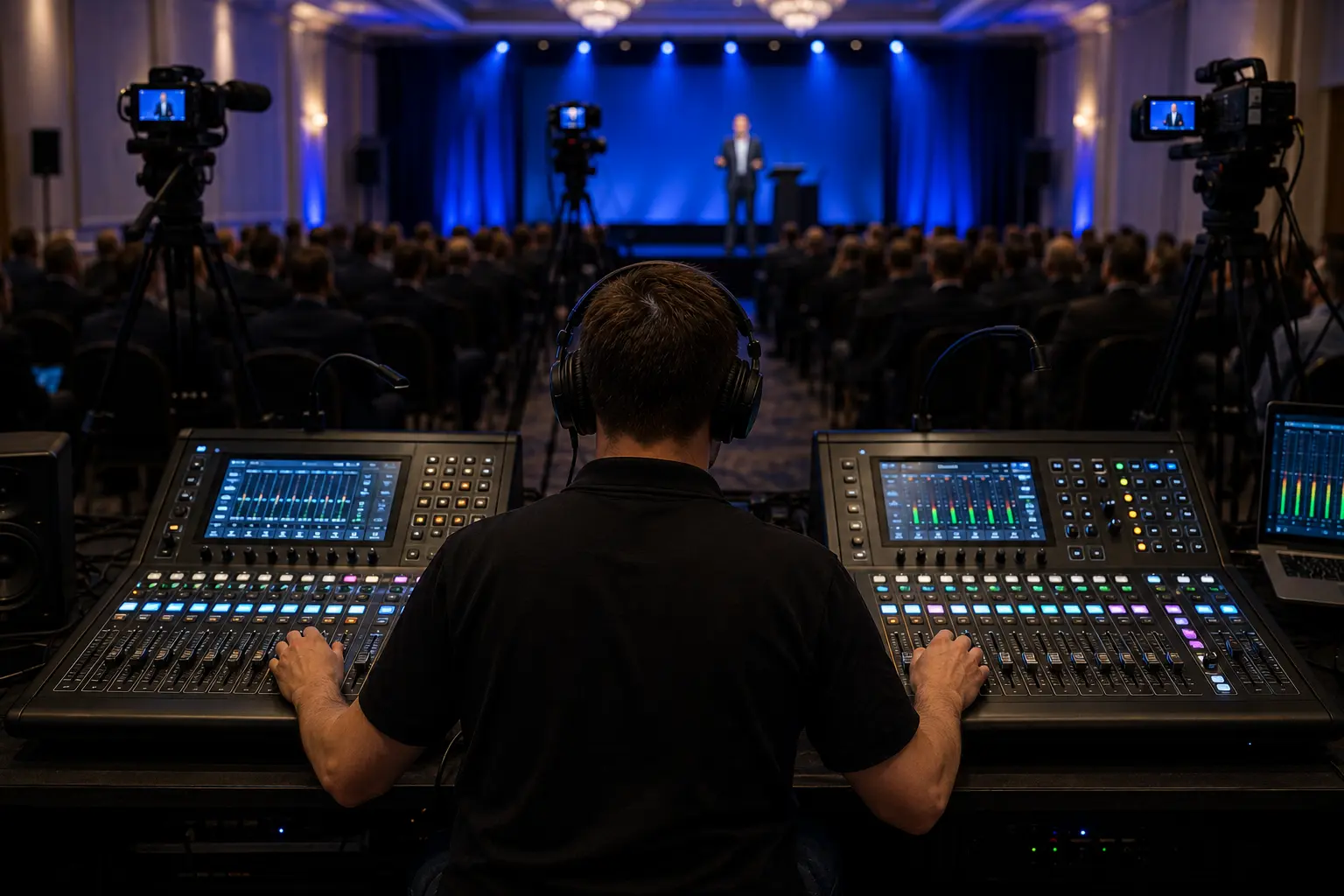
Lighting Designed for the Camera, Not the Room
Standard venue lighting is designed to make a space look presentable to the human eye. Cameras respond to light differently: they are sensitive to color temperature inconsistency, they struggle with scenes that simultaneously contain very bright and very dark areas, and they read shadows and contrast at a different scale than human perception does.
The result of venue house lighting on a live stream is predictable: presenters who look overexposed or underlit, skin tones with unnatural color casts, heavy shadows under eyes and along facial features, and a visual inconsistency that changes throughout the event as lighting conditions shift.
Professional live streaming services address this with lighting specifically calibrated for camera output:
Key and fill lighting for subjects that delivers flattering, consistent illumination with natural skin tone rendering and sufficient contrast to read as professional rather than flat.
Color temperature consistency across all lighting sources so that the overall image maintains a coherent visual tone rather than mixing warm and cool sources within the same frame.
Event-length consistency that accounts for changing ambient conditions, guest movement, and program transitions so the camera image stays stable throughout the broadcast.
Separation of dimmer-controlled systems from audio power to prevent the electrical interference that lighting dimmers introduce into microphone and audio signal chains when they share circuits.
How Redundancy Protects Professional Live Streams
At any live event, technical issues will occur. The question is not whether problems will arise. It is whether they will be visible to the audience when they do.
Professional live streaming services build redundancy into every critical system so that failures are resolved invisibly:
Backup internet paths: A primary hardwired connection supported by cellular bonding backup ensures that venue internet instability or failure does not take the stream offline. Portland Production Services uses cloud-based encoding that maintains stream stability through primary connection failures by failing over to the cellular backup path automatically.
Duplicate audio feeds: Redundant feeds from primary microphone sources ensure that a single microphone failure or console issue does not silence the broadcast. The backup feed takes over without the virtual audience noticing the transition.
Secondary recording systems: Local recording that operates independently from the live stream protects event content from platform outages, encoding failures, or connectivity interruptions that would otherwise result in permanent content loss.
Backup encoding hardware: A secondary encoder ready to take over if the primary fails protects against the most catastrophic live streaming failure mode, a complete stream outage that cannot be recovered mid-event.
Power backup for critical equipment: Uninterruptible power supplies on encoding hardware and networking equipment provide bridge time to respond to facility power events before the stream is affected.
How a Clean Live Stream Shapes Brand Perception
Every professional live streaming broadcast communicates something about the organization behind it, whether that communication is intentional or not.
A stream that drops reflects disorganization. Audio that is difficult to hear reflects a lack of attention to the audience's experience. Visuals that are inconsistent, poorly lit, or unprofessional reflect inadequate preparation for the event's scale and significance.
The inverse is equally true and more directly valuable. A clean, polished, reliable stream communicates that the organization invested in the virtual audience as much as the in-room one. It communicates operational competence. It communicates that the message was important enough to deliver correctly. In environments where brand credibility and organizational reputation are stakes in the event, that communication is not incidental. It is the point.
For hybrid events where remote attendees may significantly outnumber in-room guests, the stream is not a secondary experience. It is the primary one. Professional live streaming services treat it accordingly.
Choosing the Right Professional Live Streaming Partner
The right production partner for a high-stakes event is not the one with the most equipment. It is the one with the experience to integrate audio, video, lighting, internet infrastructure, and coordination into a unified system that performs under live conditions.
Specifically, look for a team that:
Has managed large-scale live events in RF-dense environments where wireless microphone coordination is a required skill, not an afterthought.
Treats in-room audio and stream audio as separate systems with dedicated mixing for each, not a split signal from a single console.
Builds redundancy into every critical path before the event begins, not in response to a problem that has already reached the audience.
Has experience with music licensing management for live stream environments across the platforms being used.
Brings an actual team to the event, not a single operator managing every system simultaneously. Each role, audio engineering, camera operation, technical directing, and stream monitoring, requires dedicated focus that cannot be shared across multiple simultaneous responsibilities.
Professional Live Streaming and Event Production Services
Portland Production Services delivers for high-stakes live-streamed events and supporting production.
Event Production and Live Streaming- Full broadcast-grade live streaming with multi-camera, dedicated audio engineering, lighting, graphics, and redundant systems
Commercial Video Production- Pre-produced video packages for integration into live event programming
Corporate and Training Videos- Post-event highlight and recap content produced from live event footage
Marketing and Promotional Videos- Recorded session content repurposed for internal training and communication
Nonprofit Storytelling- Live-streamed fundraisers, galas, and impact events for donor audiences
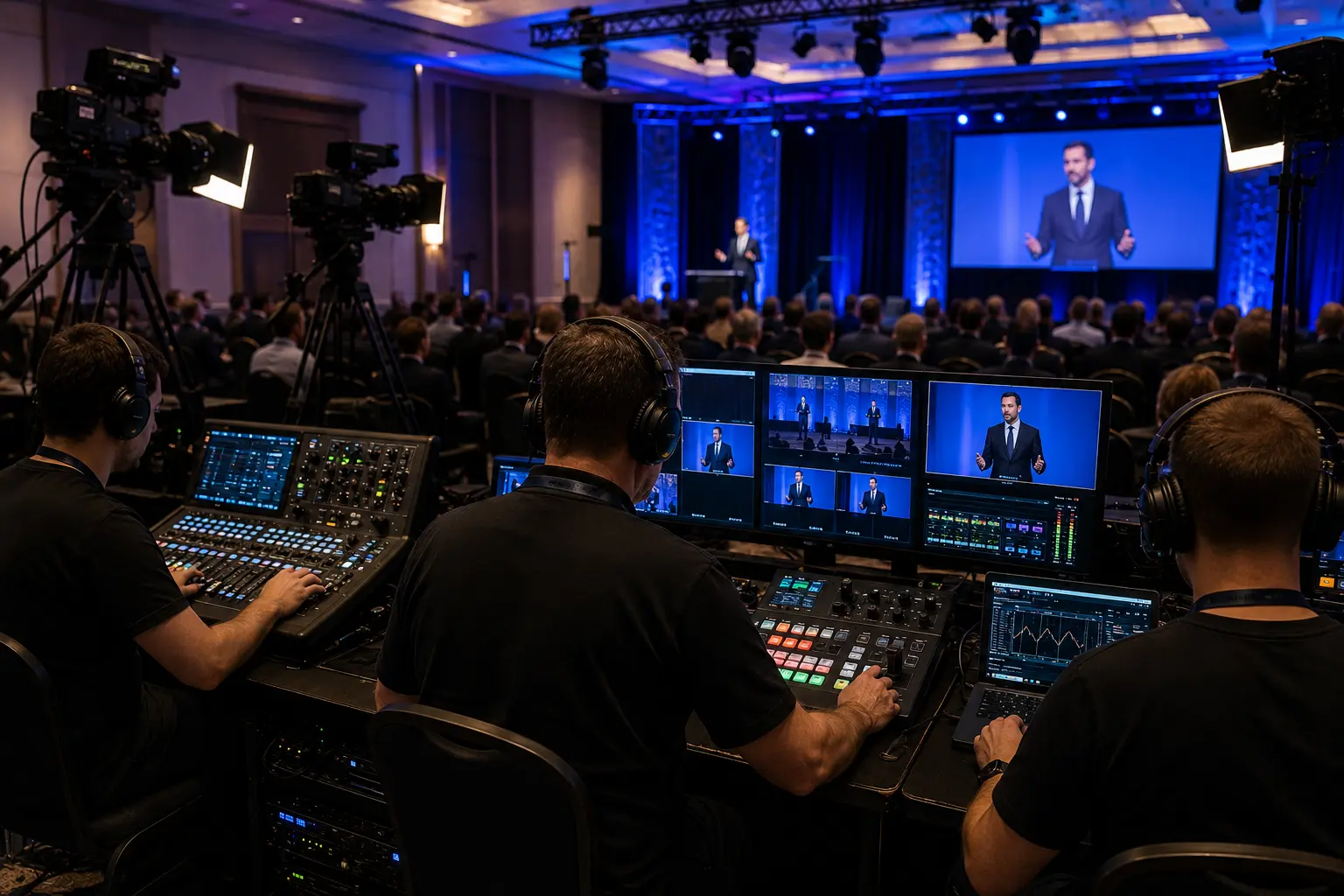
High-Stakes Events Require Engineering, Not Hoping
Professional live streaming services are not a precaution for events that might have technical problems. They are the engineering approach that prevents technical problems from reaching the audience at events where the stakes of failure are real.
Audio that is clean and consistent for every viewer. Video that is well-lit, multi-angle, and editorially directed. Internet infrastructure that does not share bandwidth with the room full of guests. Redundant systems at every critical path. A production team with defined roles and the experience to resolve problems invisibly before the audience notices them.
That is what professional live streaming delivers for high-stakes events. Portland Production Services has been building that standard into live-streamed events across Portland and the Pacific Northwest for over twenty years.
Ready to Engineer Your Next Live-Streamed Event the Right Way?
Your event deserves a broadcast that matches its importance. Portland Production Services brings broadcast-grade professional live streaming services to corporate events, galas, commencement ceremonies, fundraisers, and high-stakes productions of every kind across Portland and the Pacific Northwest. Tell us about your event and we will show you exactly how to build a stream that performs.
Frequently Ask
1: What are professional live streaming services?
Professional live streaming services involve a fully integrated production system that manages video capture, live switching, dedicated broadcast audio engineering, professional lighting, streaming encoding, platform delivery, and real-time monitoring. They are distinguished from basic setups by the presence of dedicated expertise at every system level, redundancy built into every critical path, and a production team that manages each component independently rather than a single operator managing everything simultaneously.
2: Why do high-stakes events require professional live streaming?
High-stakes events require professional live streaming services because the consequences of technical failure, a dropped stream, poor audio, or inconsistent visuals, directly affect how the organization is perceived by the audience. In hybrid events where virtual attendees may outnumber in-room guests, the stream is the primary experience for the majority of the audience. A broadcast that fails delivers a message about the organization that no amount of content quality can overcome.
3: What is the difference between in-room audio and stream audio?
In-room audio is engineered for the acoustic environment of the venue: room-corrected EQ, speaker placement, delay timing, and dynamics processing that account for how the physical space shapes sound. Stream audio is engineered for headphone and laptop speaker playback: a separate mix with different EQ, different dynamics processing, and different level management. The EQ decisions that make in-room audio sound natural make stream audio sound worse if applied without modification. Professional live streaming services maintain two separate audio environments simultaneously.
4: Why does music at a live event cause problems for live streaming?
Popular and licensed music played at a live event can trigger automated content detection systems on streaming platforms like YouTube and Facebook, resulting in muted audio, broadcast interruption, or copyright flags. This issue must be addressed during pre-production planning by identifying which music can be cleared for broadcast and establishing alternatives for content that cannot. Professional live streaming services manage music licensing as a standard pre-production step.
5: What does redundancy mean in professional live streaming?
Redundancy means having backup systems ready for every critical component that cannot fail during the event: backup internet connectivity through cellular bonding, duplicate audio feeds from primary microphone sources, secondary recording systems independent from the live stream, backup encoding hardware, and power backup for critical equipment. When a primary system fails, the backup takes over without the audience noticing. Redundancy is the standard that separates professional live streaming services from setups that work until something goes wrong.
6: How does Portland Production Services approach professional live streaming for high-stakes events?
Portland Production Services treats every high-stakes live streaming engagement as a full broadcast production: separate in-room and stream audio mixes, professional lighting calibrated for camera output, multi-camera coverage with live switching, cloud-based encoding with cellular bonding backup, real-time monitoring throughout the event, and redundant systems at every critical path. The team brings dedicated specialists to each production role rather than a single operator managing multiple systems, and has produced live-streamed events across Portland and the Pacific Northwest for over twenty years.
Key Takeaways
- Professional live streaming services treat live broadcasting as a full production system, not a camera-and-connection setup. Every element requires dedicated planning, dedicated expertise, and a backup.
- Audio is the most critical variable in live stream viewer retention, and in-room audio and stream audio must be managed as two separate engineering environments with independent mixes. Treating them as a single system produces stream audio that fails the virtual audience.
- Music licensing at live events must be managed as a pre-production decision. Popular or licensed content can trigger automated platform interventions that mute, interrupt, or flag the stream if not addressed in advance.
- Redundancy at every critical system level is what determines whether technical problems are invisible to the audience or visible. For high-stakes events, backup paths for internet, audio, encoding, recording, and power are non-negotiable.
- Portland Production Services delivers broadcast-grade professional live streaming services for high-stakes events across Portland and the Pacific Northwest, with owned equipment, experienced production teams, and twenty-plus years of live event production behind every stream.
There's more ...



Unleash Your Inner Creative Madness With Us!
info@portlandproductionservices.com
503-317-6447
© Portland Production Services 2026
8816 SE 29TH AVE
MILWAUKIE OR 97222-6323, US

