


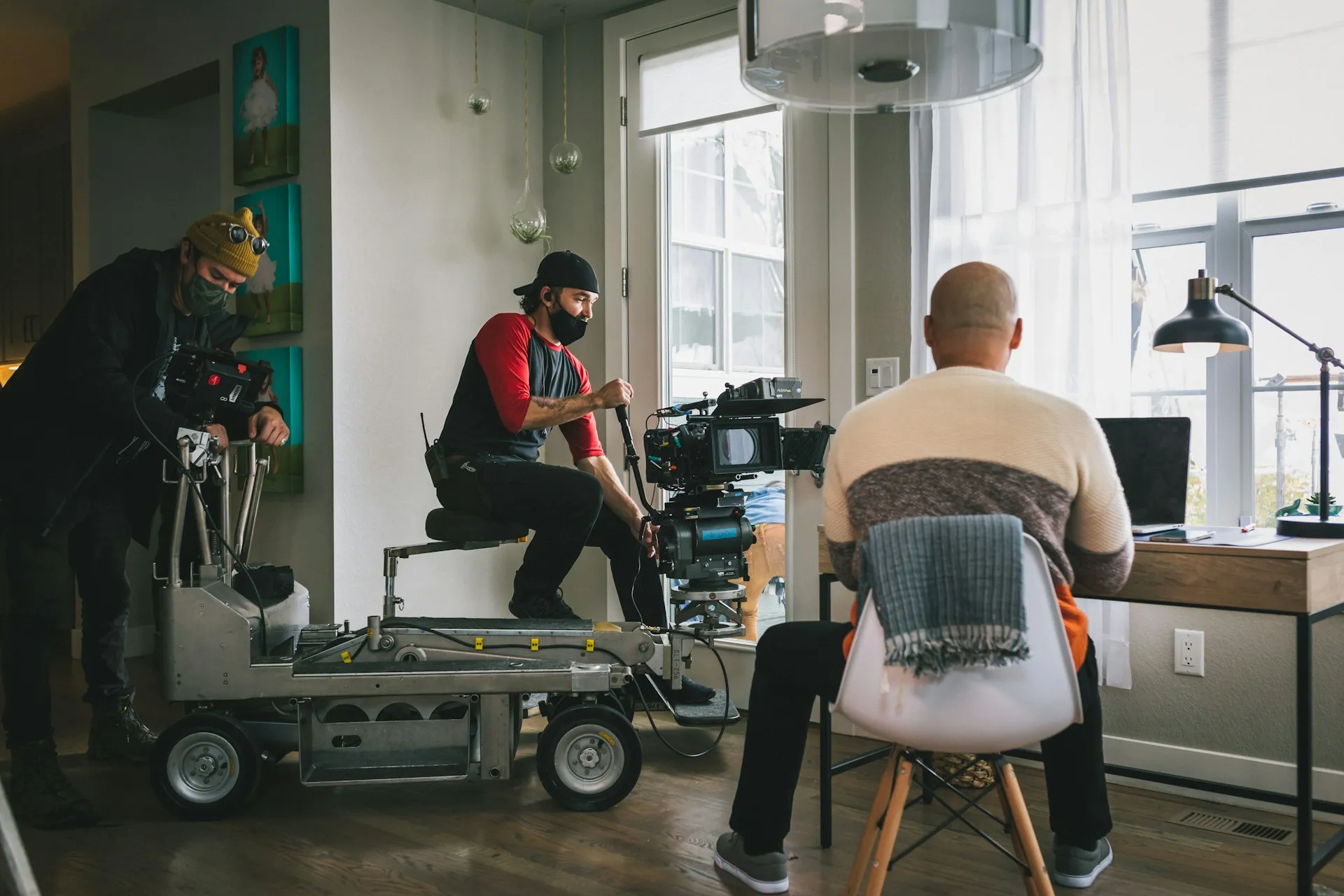



How Video Can Take Your Ad Campaigns To The Next Level
Let's look at some stats: 84% of marketers in organizations consider video marketing effective, while 66% of marketers consider video marketing to be ‘critical’ to their organization’s success.
Video is the most powerful creative format in digital advertising today. Before launching a video ad campaign, you need to clearly define your goals, choose a CTA that aligns with them, and build a data-driven system for analyzing and refining your results.
Why Video Is Dominating Digital Advertising
Video is huge right now. It's a powerful tool, and it's only getting more powerful as time goes on. Businesses are using video to inform, educate, and persuade their customers every day. In the past five to ten years, video has become easier and more affordable to create than ever before.
Let's look at some stats: 84% of marketers consider video marketing effective, while 66% consider it critical to their organization's success. On top of that, 90% of customers say they watch an average of one hour or more of video content per week. According to Wyzowl's annual video marketing survey, these numbers have held steady or increased every year for the past decade, confirming that video's dominance in marketing is not a trend but a structural shift.
The secret to achieving high ROI for your video marketing campaigns is knowing exactly how to plan and execute with a cohesive strategy. This guide will explain how different online channels can help you drive traffic, create word-of-mouth buzz, and convert leads.
Before You Start Video Marketing, Know What You're Getting Into
Your video marketing strategy can be a lot of work, but the benefits to your brand and your customer base can be enormous. Before you get too far ahead of yourself, it's important to know that video marketing will require a significant investment of time and money. You'll need to consider things like how many videos you want to produce, how much help you'll need with creating them, and whether or not you'll be able to make them on a regular basis. After launching your campaign, you should also think about how much time and money you'll spend on promoting it.
It's also important that the people within your company are all on board with any major changes in strategy, especially if they'll require an investment of time and energy from multiple departments. If everyone is open to new ways of doing things, then there are no limits to what a video marketing campaign can do for your business. For a practical starting point, our guide on social media video strategy walks through the seven steps we recommend for any business beginning a video-first approach to marketing.
The Best Video Marketing Captures Your Company Story
More and more businesses are using video as a marketing tool. It's one of the most powerful ways to connect with customers and potential customers, and it's an important part of your overall marketing strategy.
Focus on the customer experience. Video helps people see what they would see if they were there in person. The best videos show what it's like to do business with you, from start to finish, from getting in touch with your company to using its services or products. To create this kind of video, think about how customers interact with you now and what they might want when they interact with you in the future.
Tell a story that resonates with viewers. Video provides an opportunity to tell a story through images, sounds, and words. Think about where your target audience is coming from: their work situation, their interests or hobbies. Build your video campaign around their perspective. This is how you generate video content that will resonate with your particular customer base. Our case studies show exactly how this storytelling approach has worked for our clients.
Choose a Call to Action That Makes Sense
Video ads that play before a YouTube video starts are wildly popular with advertisers, and they're increasingly being used on other sites as well. As with any ad, a good video ad can make or break your campaign.
The first thing to consider is this: what kind of action do you want viewers to take after watching your ad? The answer to this question should guide every decision you make about it, up until the last day of the campaign.
For example, let's say you sell a product that can be purchased online. You might want viewers to visit your website and buy directly from there. Or maybe you have a brick-and-mortar store in mind and would like them to shop at that location. Other possible CTAs include signing up for your newsletter, leaving contact information, or whatever makes the most sense for your business. Once you have your CTA figured out, then the video, and everything else about the campaign, should be planned with that specific result in mind. For reference on how CTAs are structured in different video formats, see our overview of video types for businesses.
Use Data and Analytics to Ensure Your Videos Are Working
One of the biggest mistakes that companies make when it comes to their digital marketing is believing that all the hard work is done once they start running ads. This is actually when you are just getting started. This is when you ensure that your video ad campaign is making progress toward achieving its goal.
The best way to do this is by using data and analytics to track your progress and make improvements along the way. You'll need to set up a tracking system for your campaign. This can be as simple as a spreadsheet that tracks each step of the process, or as robust as a platform like Google Analytics. Once you have a tracking system in place, it's time to start analyzing the data from your campaign. This will allow you to see where there are opportunities for improvement.
Ideally you'll have multiple videos and can make side-by-side comparisons of how each one is performing. This will allow you to adapt and refine your campaign continuously. For commercial production clients specifically, we build analytics review into every campaign we run.
For corporate video campaigns in particular, it's worth noting that performance benchmarks differ significantly from consumer-facing video ads. Understanding those differences upfront helps you set realistic expectations and choose the right metrics to track from day one.
Make Your Ad Campaigns Perform With Professional Video
Video advertising is not a shortcut. It requires upfront planning, a clear understanding of your goals, a compelling story, and a disciplined approach to analysis and iteration. But when those pieces come together, video ad campaigns consistently outperform text and image-based ads across every major platform.
The businesses that win with video advertising are those that treat it as a long-term investment rather than a one-time experiment. They commit to building a library of video assets, testing different CTAs and formats, and using data to refine their approach over time. That compound effort is what separates brands that grow through advertising from those that just spend money on it.
Portland Production Services can help you plan, produce, and optimize video ad campaigns for any budget and any platform. Get in touch today to talk through your campaign goals and let us show you what's possible.
Ready to make your ad campaigns perform with professional video? Get your free campaign strategy session!
There's more ...



Unleash Your Inner Creative Madness With Us!
info@portlandproductionservices.com
503-317-6447
© Portland Production Services 2026
8816 SE 29TH AVE
MILWAUKIE OR 97222-6323, US

