

How to Create Customer Testimonial Videos That Build Trust
Customer testimonial videos build trust by showcasing real client experiences and outcomes. With the right structure and production, they become powerful marketing assets that convert viewers into qualified leads.
Customer testimonial videos work best when they are thoughtfully prepared. Choosing the right client, structuring the conversation with intention, setting up the right environment, and planning for multi-format use can turn a single interview session into a persuasive marketing asset that builds credibility for years. This guide covers every step of the process, from client selection through filming and delivery. When you are ready to produce testimonials that actually convert, Portland Production Services handles the full production so the story lands the way it should.
Why Customer Testimonial Videos Work
The effectiveness of customer testimonial videos is not a marketing theory. It is a reflection of how people actually make purchasing decisions.
Social proof is one of the most reliable drivers of buyer behavior. When a prospect sees someone who faced the same problem they are facing, made the same decision they are considering, and came out the other side with a clear positive outcome, the credibility gap between the prospect and the brand collapses faster than any amount of branded messaging can achieve.
Here is what testimonial videos do that written reviews and marketing copy cannot:
They communicate authenticity through non-verbal signals. A real person on camera, speaking from their own experience with natural hesitations, genuine emotion, and specific detail, cannot be faked in the way that written copy can. Viewers read authenticity in body language, in vocal tone, and in the specificity of the story. When those signals are present, trust follows.
They tell a story with a structure buyers recognize. The most effective testimonial video format mirrors the buyer's own narrative: problem, decision, outcome. A prospect watching that story sees themselves in the before, evaluates the company's role in the middle, and projects themselves into the after. That identification is what converts a viewer into an inquiry.
They work across the full funnel and across multiple formats. A well-produced testimonial can be used on the website homepage, on service pages, in email campaigns, in sales proposals, in paid advertising, and as short-form social clips. A single filming session can produce years of marketing content across every channel where the audience is present.
They answer the trust question before it gets asked. By the time a prospect requests a consultation, the best case scenario is that the testimonial video has already answered the question they were going to ask. That pre-consultation credibility shortens sales cycles and produces better-qualified leads.
Choosing the Right Client for a Testimonial Video
A strong customer testimonial video begins with the right storyteller, and not every satisfied client is the right one.
The goal is not to find the client who is most enthusiastic about your company. It is to find the client who can tell a specific, relatable, and credible story about the problem they brought to you and the outcome they experienced. Those are often different people.
Look for clients who can speak clearly to:
- The specific challenge they faced before hiring your company
- What made them choose your team over other options they considered
- What the working experience was actually like
- The concrete outcome or improvement they experienced afterward
Specificity is what makes testimonials convincing. General praise, "They were great to work with," tells a prospect nothing they could not find in any generic review. Specific detail, "We had tried two other contractors and both walked away from the project. Portland Production Services was the first team that gave us a clear plan and actually executed it," is what moves a viewer from interested to convinced.
Before the shoot, a brief preparatory conversation with the client makes a meaningful difference. Not to rehearse what they will say, but to make sure they understand the structure of the interview and feel comfortable with what to expect. That preparation reduces on-camera anxiety and produces more natural, fluent answers.
Preparing Clients for the Interview Without Making It Sound Scripted
Over-scripting is the most common mistake in customer testimonial video production, and the result is immediately visible on screen. A memorized script produces wooden delivery, unnatural pacing, and a performance that viewers intuitively recognize as rehearsed. That recognition undermines the very authenticity that makes testimonials effective.
The alternative is structure without scripting. Provide the client with a clear framework for the conversation and a set of guiding questions they can prepare for without memorizing. A simple story arc works for most testimonials:
- What the situation looked like before working with your company
- The specific problem they were trying to solve
- Why they chose your team
- What happened during the project
- What life or business looks like now as a result
Sending these questions ahead of the shoot gives the client time to think through their answers and arrive at the interview with confidence rather than anxiety. The production team then guides the conversation naturally, asking follow-up questions that help the story flow and drawing out the specific details that make the testimonial compelling.
A teleprompter can be a useful tool for clients who struggle with pacing or lose their train of thought without a reference. At Portland Production Services, stepping back during certain moments of the shoot so the client does not feel observed by a full crew also helps people relax and speak more naturally. Small adjustments like these are the difference between a client who delivers their story with genuine confidence and one who sounds like they are reading a corporate communication.
Wardrobe That Helps Testimonials Look Professional
Wardrobe is a detail that most clients have not considered before a testimonial shoot, and it matters more than it seems. Clothing choices affect how the subject is perceived visually and whether the viewer's attention stays on the story or drifts to a visual distraction.
Solid colors generally work best. Neutral tones such as navy, gray, olive, and muted blues photograph well under professional lighting and keep the visual focus on the speaker. Wardrobe choices that create problems on camera include thin stripes or busy patterns that create a moiré effect, bright neon colors that compete with the subject's face for visual attention, large logos or graphics that distract the viewer, and reflective materials that create inconsistent lighting.
The simplest guidance for clients is to dress as they would for an important client meeting. When people feel confident in what they are wearing, they tend to carry that confidence into how they speak. That alignment between physical confidence and verbal delivery produces better interview footage with less coaching required.
Choosing a Filming Location That Supports the Story
The environment in which a customer testimonial video is filmed communicates something to the viewer about both the subject and the brand. A thoughtful location choice reinforces credibility. A poor one undermines it.
The ideal location for most testimonial shoots feels professional and contextually relevant without being visually distracting. Strong options include the client's own office or workspace, which adds contextual authenticity to their story; conference rooms with clean lines and controlled lighting; and dedicated studio environments where lighting and background can be precisely managed.
Background elements should add visual depth without drawing the viewer's attention away from the subject. A slightly out-of-focus bookshelf, a textured wall, a hallway with natural depth, or well-lit shelving with minimal clutter all create the kind of background that looks intentional without becoming a distraction.
Sound quality is as important as visual quality in any interview setting. Rooms with hard floors, bare walls, and low ceilings create echo and reverberation that are difficult to correct in post-production. Spaces with soft furnishings, carpet, or acoustic treatment give the audio engineer cleaner source material and produce a final video that sounds as clear and professional as it looks.
Lighting and Camera Framing for Testimonial Videos
Professional lighting and camera positioning directly influence how viewers perceive and respond to a testimonial subject. The technical choices made by the production team shape whether the interview feels credible and warm or flat and uncomfortable.
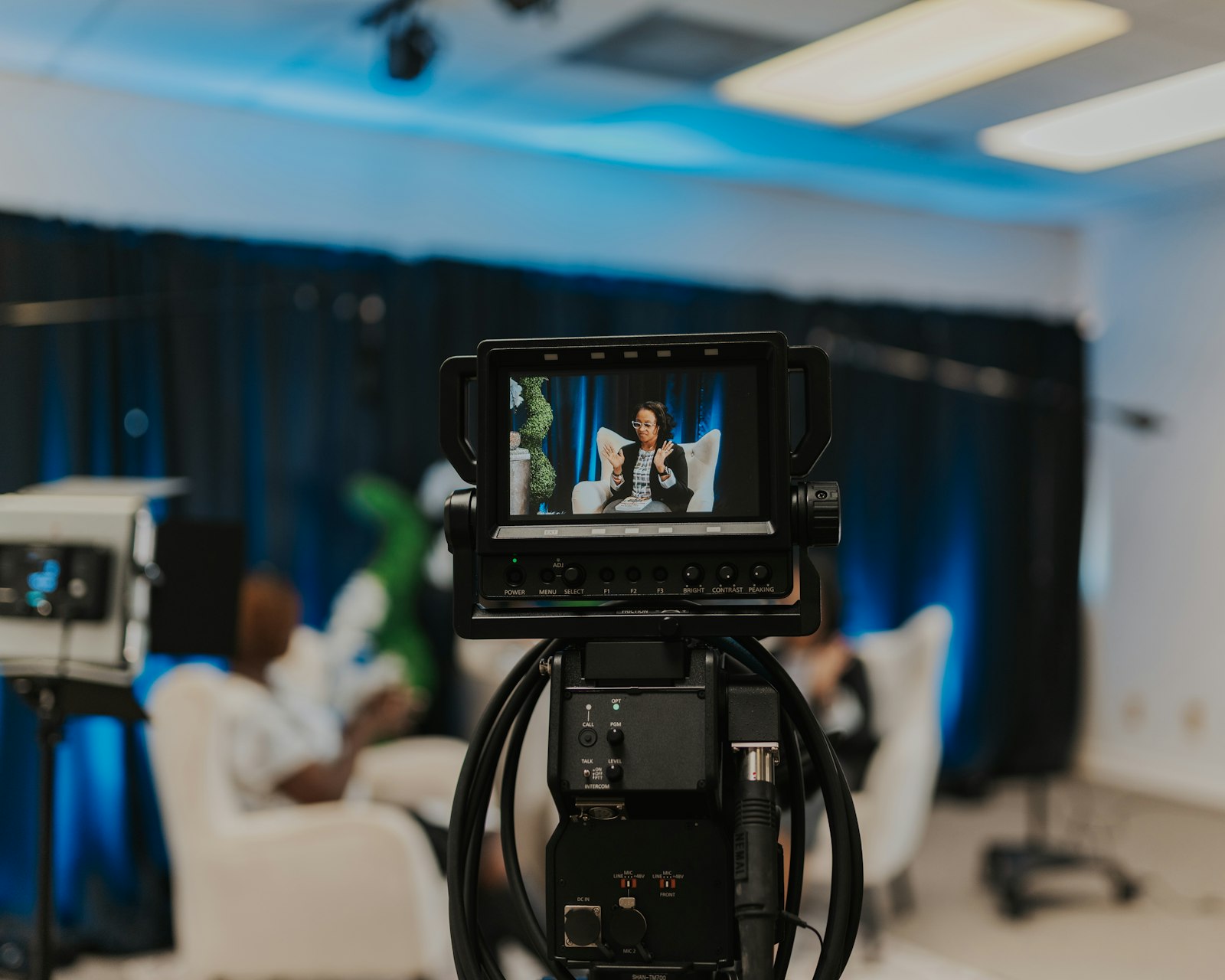
Soft directional lighting is the standard approach for interview-style testimonial video production. Harsh, direct lighting creates unflattering shadows and a clinical atmosphere that works against the warmth and authenticity the interview needs to communicate. A professional three-point lighting setup typically includes:
- Key light: The primary light source that illuminates the subject's face
- Fill light: A secondary, softer light that reduces harsh shadows created by the key light
- Backlight: A light positioned behind and above the subject to separate them from the background and add visual dimension
Camera framing shapes how the conversation feels to the viewer. Most professional testimonial interviews position the subject slightly off-center in the frame while they speak toward an interviewer standing next to the camera rather than directly into the lens. This creates a conversational tone that feels natural and engaged rather than performative. The slight angle into the frame also gives the composition visual movement that holds the viewer's attention more effectively than a direct, symmetrical shot.
Creating a Comfortable Atmosphere on Set
Most testimonial subjects are not professional speakers, and on-camera anxiety is real even for confident, experienced people. A production team that understands this and actively manages the atmosphere on set produces dramatically better interview footage than one that treats the shoot as a purely technical exercise.
At Portland Production Services, the shoot begins with time for the subject to get comfortable before recording starts. Casual conversation, a clear explanation of what the interview will involve, and patience during the early takes all contribute to a subject who is visually relaxed and verbally natural by the time the footage the edit will actually use is being captured.
Encouragement matters. When a take goes well, saying so builds the subject's confidence for the next one. When a take misses the mark, redirecting without making the person feel like they failed keeps the momentum of the shoot moving forward. The production team's job in a testimonial shoot is not just to operate the camera. It is to create the conditions in which the client's authentic story can be told.
Planning the Shoot for Multi-Format Use
Before the camera rolls on any customer testimonial video, the production plan should account for how the footage will be used after the shoot.
A single interview session, when planned correctly, can produce:
- A full-length testimonial for the company website
- Short clips for social media
- Vertical versions optimized for mobile platforms and Instagram Reels
- Video snippets for paid advertising campaigns
- B-roll footage that supports multiple future edits
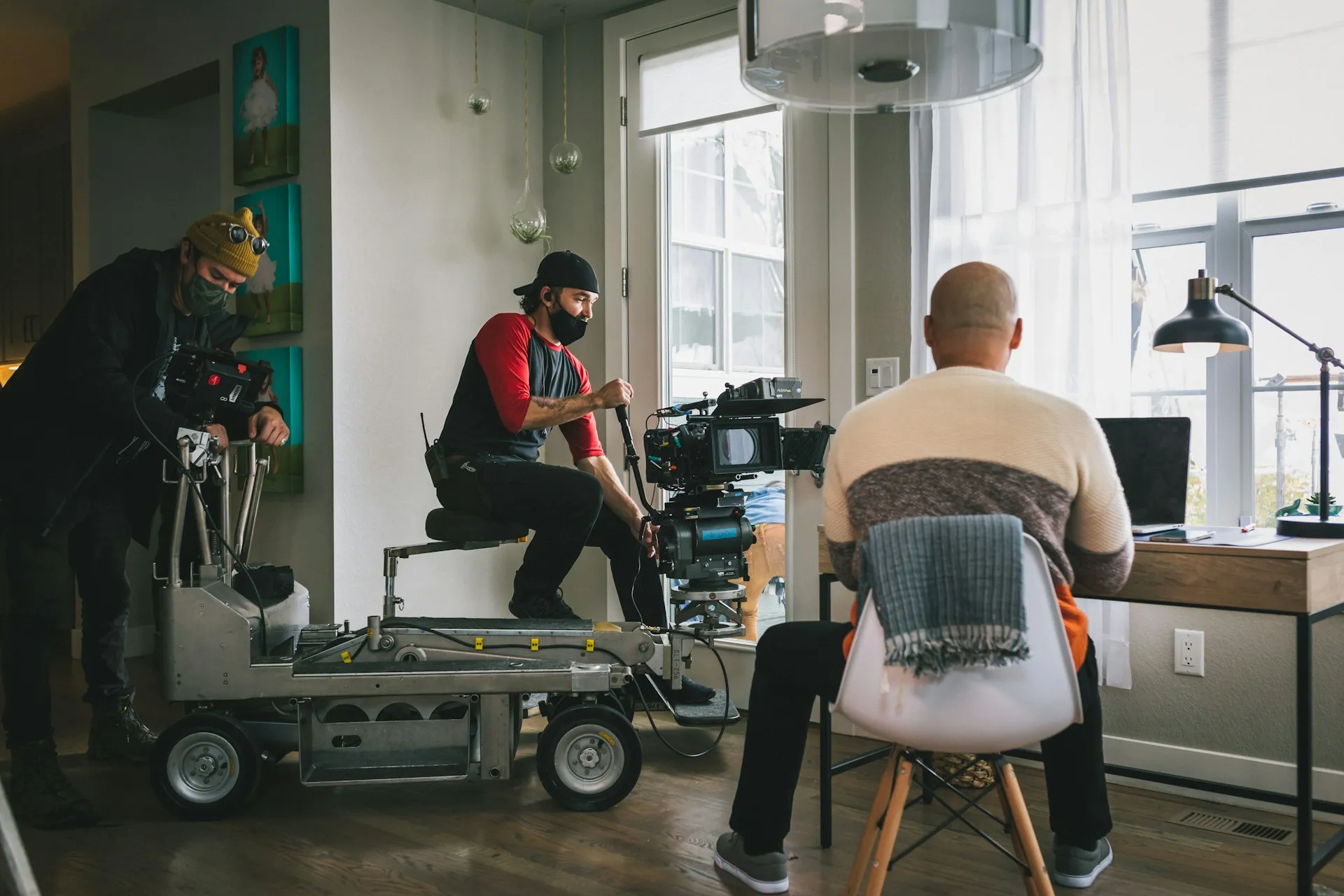
Planning for multi-format delivery means capturing additional angles, cutaway shots, and environmental footage of the client in their workspace during the shoot. This b-roll material is what transforms a talking-head interview into a visually dynamic testimonial and gives the editor the flexibility to create multiple versions from a single session.
The most common production mistake on testimonial shoots is treating the interview as the only element that matters and leaving the shoot location without the supporting footage that makes the edit compelling. Planning the full content asset before filming begins prevents that mistake.
Commercial Video Production Services for Testimonials
The table below outlines what Portland Production Services delivers for businesses producing customer testimonial videos and supporting marketing content.
Commercial Video Production- Full testimonial production including interview, b-roll, editing, and multi-format delivery
Marketing and Promotional Videos- Brand and campaign content that pairs with testimonials to build market presence
Corporate and Training Videos- Internal case study and communication content built for team and partner audiences
Nonprofit Storytelling- Mission-driven testimonials and impact stories for donor and supporter audiences
Event Production and Live Streaming- Live capture of client stories at events, conferences, and brand activations
Preparation Is What Makes Testimonials Convert
The difference between a customer testimonial video that generates leads and one that gets filed away is almost entirely in the preparation behind it. Choosing the right client, structuring the conversation without scripting it, setting up the right environment, and planning for multi-format use before the camera rolls are what determine whether the final asset earns trust or just documents a satisfied customer.
When those elements are in place and executed by an experienced production team, a single testimonial interview becomes one of the most durable and versatile marketing assets a business can own. Portland Production Services brings the full production process to every testimonial project, so the story is captured, shaped, and delivered in a way that actually converts.
Ready to Turn Client Success Stories Into Your Best Marketing Asset?
Your clients have stories that will convince your next client better than anything you could say about yourself. Portland Production Services produces customer testimonial videos that capture those stories with the production quality, authenticity, and strategic planning that makes them work across every channel. Tell us about your business and we will show you how to build a testimonial library that keeps generating leads long after filming day is over.
Frequently Ask Questions
1: How long should a customer testimonial video be?
Most customer testimonial videos perform best between one and three minutes for a full-length version intended for websites and sales presentations. Shorter clips of thirty seconds to one minute are ideal for social media and paid advertising. A well-planned single filming session can produce both the full-length version and the shorter cuts, maximizing the value of one production investment across multiple channels.
2: Should customer testimonial videos be scripted?
No. A scripted testimonial sounds scripted, and viewers recognize it immediately. The approach that works is structured, not scripted: provide the client with guiding questions and a clear story framework before the shoot, then let the production team draw out the natural, specific answers during the interview. Authenticity is what makes testimonials persuasive, and scripted delivery eliminates the signals that communicate authenticity.
3: Where should customer testimonial videos be used?
Customer testimonial videos are versatile assets that perform across multiple channels: website service pages and homepages, email campaigns and sales follow-up sequences, paid advertising on social platforms and YouTube, proposals and presentations, and organic social media content. A single well-produced testimonial can be edited into different formats for each of these placements from one filming session.
4: What makes a customer testimonial video feel credible?
Specificity, natural delivery, and a clear narrative arc are the three most important credibility signals. A client who describes the specific problem they faced, explains exactly why they chose this company, and articulates a concrete outcome is far more convincing than one offering general praise. The production environment, professional lighting, and the comfort level of the subject all support the delivery of that specific story in a way that reads as authentic rather than performed.
5: Do customer testimonial videos require professional production?
Professional production significantly improves the result, particularly for testimonials intended for website placement, paid advertising, and sales presentations. Poor lighting, bad audio, and amateur framing undermine the credibility of even the most compelling story. For content that will represent the brand at its most visible touchpoints, professional production quality is the standard that protects and amplifies the message. Portland Production Services handles the full production process so the story is captured and delivered at the level the brand deserves.
6: How does Portland Production Services approach customer testimonial video production?
Portland Production Services manages every phase of the testimonial production process: pre-shoot client preparation, interview structure development, location and lighting setup, on-set atmosphere management, b-roll capture for multi-format use, editing, and final delivery in every format the marketing plan requires. The goal is not just a finished video. It is a versatile content asset built to generate trust and convert viewers into clients across every channel where the testimonial will live.
Key Takeaways
- Customer testimonial videos build trust by providing social proof that no branded marketing message can replicate. A real client describing a real outcome removes the credibility gap faster than any other content format.
- The three most important pre-production decisions are choosing the right client, preparing the interview structure without scripting, and planning for multi-format use before filming begins.
- Specificity is what makes testimonials convincing. General praise is forgettable. A specific story with a clear before, middle, and after is what converts a viewer into a qualified inquiry.
- Professional lighting, camera framing, audio quality, and a comfortable on-set atmosphere are all production variables that directly influence how credible and authentic the testimonial feels to the viewer.
- Portland Production Services produces customer testimonial videos that capture authentic client stories with the production quality and strategic planning that makes them perform across websites, social platforms, paid ads, and sales presentations.
There's more ...

Unleash Your Inner Creative Madness With Us!
info@portlandproductionservices.com
503-317-6447
© Portland Production Services 2026
8816 SE 29TH AVE
MILWAUKIE OR 97222-6323, US

