


How to Create a Nonprofit Video: A Step-by-Step Guide to Inspiring Donations and Community Support
Learn how to create a nonprofit video that tells your mission, builds donor trust, and inspires people to support your cause.
Most nonprofit videos fail in the first thirty minutes of planning, long before anyone touches a camera. The organization gathers, agrees that video would be good, and then tries to explain everything the organization does in three minutes. The result is a video that says a great deal and moves no one.
Creating a nonprofit video that actually inspires giving is a sequence of specific decisions, made in a specific order. Follow the steps below and your video will outperform far more expensive productions that skipped the thinking. This works whether your team is filming it yourselves or preparing to brief a partner in nonprofit video production. Let us walk through it, one step at a time.
Decide What This Video Must Accomplish
Before anything else, name the one thing this video exists to do. Drive year end donations. Recruit volunteers. Open the gala. Introduce your organization to new supporters.
One goal, not four. The instinct to make a single video that serves every audience and every purpose is the most common reason nonprofit videos fail to move anyone. A video built for a specific donor at a specific moment will always outperform a general purpose overview. Write your goal down in one sentence. Every decision that follows should be measured against it.
Define the One Person You Are Talking To
Your organization serves a community, but your video speaks to an individual. Which one?
A first time donor who has never heard of you needs different framing than a lapsed donor who gave twice and stopped. A foundation program officer needs different evidence than a volunteer prospect. Choose one, and picture them clearly: what they already believe, what makes them hesitate, and what would move them.
The clearer this person becomes, the sharper every choice gets, from which story you tell to how the video ends. Video that tries to speak to everyone speaks to no one.
Find the One Story Worth Telling
This is the step that separates powerful nonprofit videos from forgettable ones. Resist the pull toward explaining your whole mission. Find one person whose experience embodies it.
Talk to your program staff, because they know whose story carries weight. Look for a narrative with real movement: a before, a turning point, and an after. Avoid stories that are only need with no change, because donors give to progress, not to despair.
What Makes a Story Work on Camera
It belongs to one identifiable person, not a composite or a category. Specificity is what creates emotion.
It contains genuine change, so the viewer sees that intervention worked rather than only that suffering exists.
The person can and wants to tell them themselves. A story told in someone's own voice carries a credibility no narrator can manufacture.
It is true without embellishment. The moment a story feels shaped for fundraising, the trust you were building collapses.
Secure Genuinely Informed Consent
Before filming anyone, especially anyone your organization serves, make sure they understand what they are agreeing to. This step is not paperwork. It is the ethical foundation of everything that follows.
Explain where the video will appear, how long it may live online, that they could be recognized by people they know, and that they may decline or withdraw at any point with absolutely no effect on the services they receive from you. Give them time to consider it rather than asking on the spot.
An organization that films someone without this understanding has raised money at that person's expense. That is not a trade any mission justifies.
Plan the Shoot Around Real Program Life
Now build the practical plan: when you will film, where, who appears, and what you need to capture.
Film during activities that genuinely happen rather than staging them for the camera. Donors have an unerring instinct for the manufactured moment, and staged footage undermines the authenticity that makes nonprofit video work. Schedule around your program calendar, not the other way around.
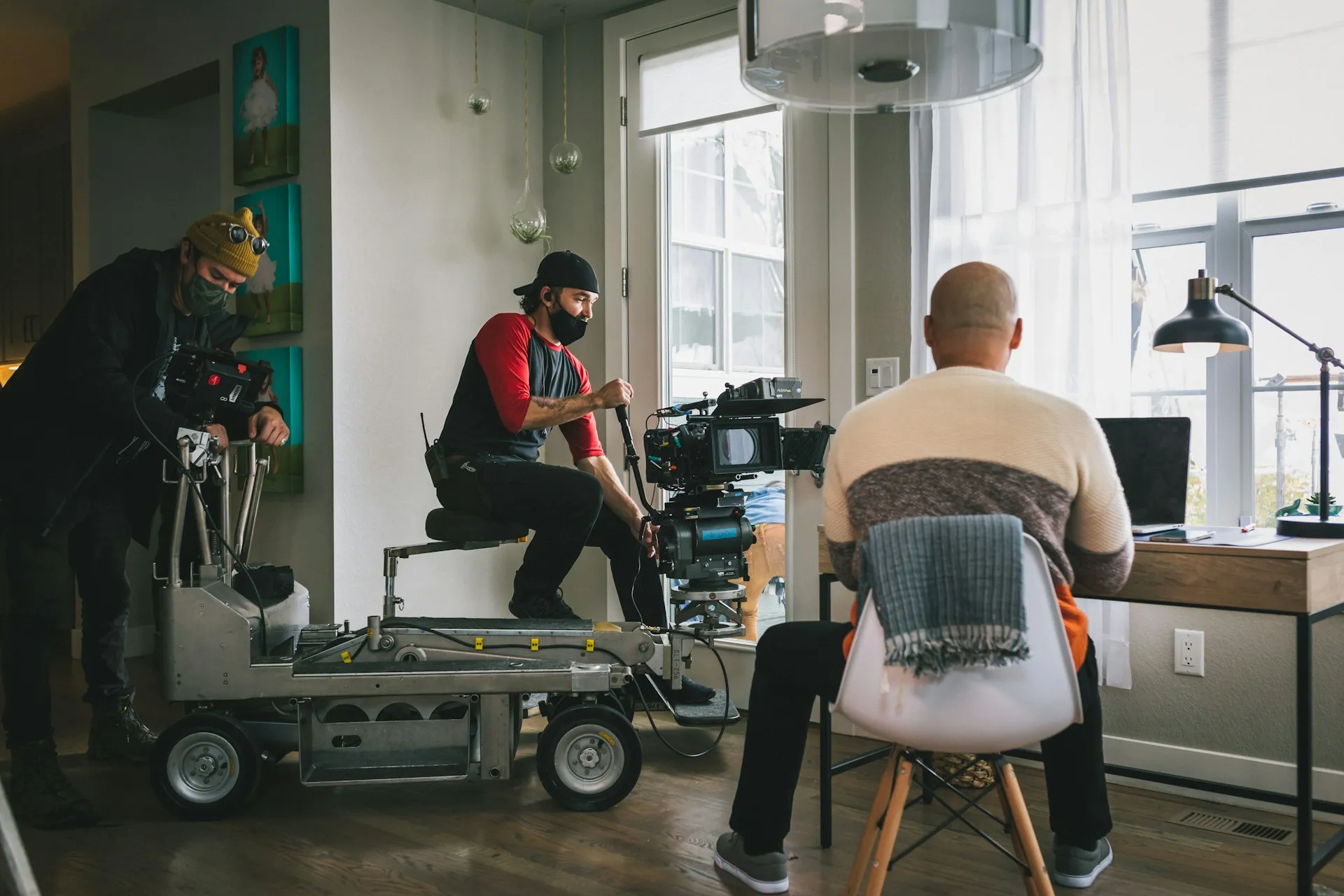
While you are planning, be ambitious about coverage. A single well planned shoot day can produce a mission film, two beneficiary stories, a year of b-roll, and a stack of social cuts, which is how nonprofits get real value from limited budgets. List every asset you want before the day arrives, because you cannot capture it in hindsight.
Get the Interview Right
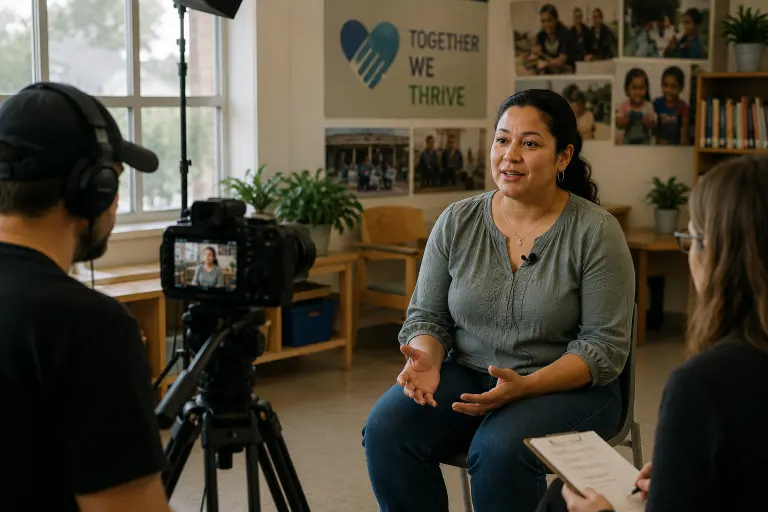
Nonprofit video lives or dies on the interview. Everything else is decoration around a person telling the truth.
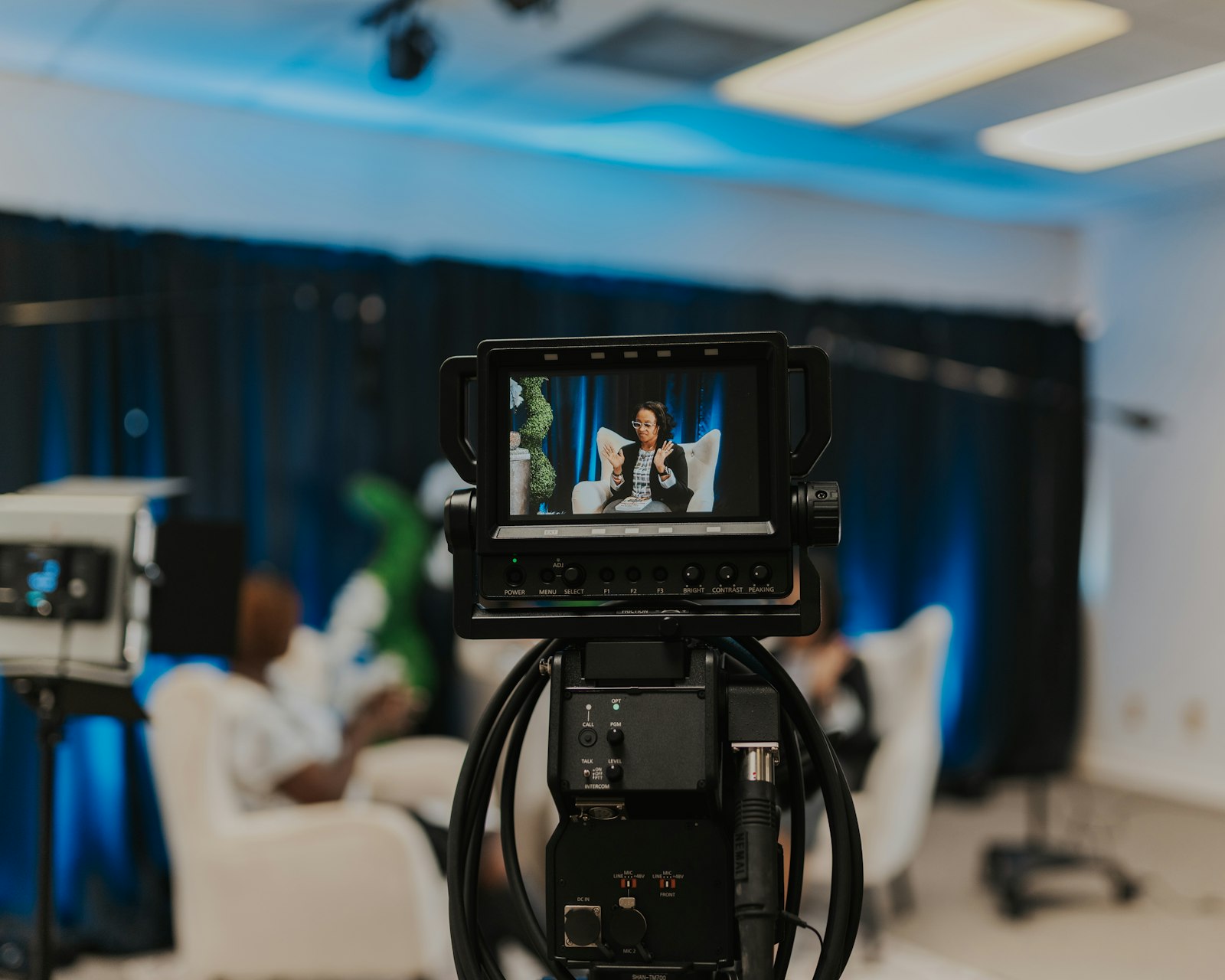
Prioritize audio above all else. A lapel microphone close to the speaker matters more than any camera. Poor audio makes an authentic story feel amateur, and it is the single most common failure in nonprofit video.
Ask open questions and then stop talking. The best material almost always arrives in the silence after someone thinks they have finished answering.
Never feed people lines. Do not script emotion into someone's mouth. What you lose in polish you gain many times over in credibility.
Film in soft, natural light wherever possible. A subject near a window looks warm and trustworthy. A subject under harsh overhead fluorescents does not.
Capture more than the interview. Gather footage of the person in their life, of the program in action, of hands and faces and place. The edit needs this material to breathe.
Structure the Edit to Move People to Give
The edit is where footage becomes fundraising. Use a structure that reliably works.
Open on the person, not the problem. Establish who they are before establishing what is wrong. Let the difficulty emerge through them rather than through statistics.
Show the change your organization made possible, and make the donor the one who made it possible. The shift in language from what we do to what you make possible measurably changes giving behavior.
Keep it tight. Most nonprofit videos run too long, and the emotional peak arrives after the audience has left. Two to three minutes is plenty for most purposes, and shorter cuts work better on social media.
Then end with a single, clear ask.
Make the Ask Unmissable
This is where good nonprofit videos most often leave the gift on the table. The video builds real emotion, and then closes with a logo and a website address.
Name the exact action you want. Give an amount if you have one, because a specific figure converts better than an open request. Make the next step effortless: a link right there, a QR code on the gala screen, a donate button below the embed. One task, delivered at the moment of highest feeling, stated plainly.
Vagueness at the emotional peak is the most expensive mistake in nonprofit video.
Put the Video to Work Everywhere
A finished video sitting on YouTube does nothing. Build distribution into the plan from the start.
Embed it on your donation page, where video measurably lifts completion rates. Send it in your appeal email. Play it before the ask at your gala. Cut short vertical versions for social. Send it to major donors personally. Give it to your board as a tool for their own tasks.
Organizations running larger galas and conferences frequently extend this further with event production and live streaming, letting supporters who cannot attend watch the film and give in the same moment as the room. The same footage also supports marketing and promotional videos for awareness campaigns throughout the year.
Know When to Bring in a Professional
These steps will carry a capable nonprofit team a long way, and for volunteer thank yous, program updates, and social content, doing it in house is exactly right.
But some videos carry too much weight to risk. Your mission film, your gala video, and your year end appeal are the assets that raise the money funding everything else. For those, professional production applies these same principles with a reliability that protects the investment, and more importantly, protects the people on camera.
Portland Production Services has produced video for Pacific Northwest nonprofits for more than 20 years, with fully owned equipment and an in-house crew working across Portland, Beaverton, Hillsboro, Lake Oswego, Tigard, and Vancouver, WA. Owned gear matters especially here, because it means no rental markups on an invoice paid with donor dollars, and no scheduling delays when a program moment cannot be rescheduled.
The Thinking Is What Raises the Money
Creating a nonprofit video that inspires donations is not about the camera. It is about deciding on one goal, one audience, and one true story, protecting the person who tells it, and closing with an ask nobody can miss.
Do that thinking first, and even modest footage will move people. Skip it, and no production budget will save the video.
Let's Build the Video That Funds Your Mission
Portland Production Services has helped Pacific Northwest nonprofits turn their missions into films that move donors for more than 20 years, with owned gear, an in house crew, and deep respect for the people whose stories we film.
Book a consultation with Portland Production Services and bring your goal, your audience, and your story. We will build the video that makes people believe in it.
Already worked with PPS? Share your experience in a quick review and help the next nonprofit tell its story well.
Frequently Asked Questions
1. How do you create a nonprofit video step by step?
Start by defining one goal and one audience, then find a single true story with real change in it. Secure genuinely informed consent, plan the shoot around real program activity, prioritize clean audio in the interview, structure the edit to make the donor the one enabling change, and close with a single clear ask. Distribution planning comes last but matters as much as the film itself.
2. What should a nonprofit video include?
An effective nonprofit video includes one identifiable person's story, a visible change your organization made possible, the donor positioned as the one who enabled it, and a single unmistakable call to action. Clean audio and honest storytelling matter more than expensive visuals. Avoid trying to explain everything your organization does in one video.
3. How long should a nonprofit video be?
Two to three minutes works for most mission films and appeal videos, with shorter thirty to sixty second cuts performing better on social media. Length should follow the goal rather than a fixed rule. Most nonprofit videos run too long, and the emotional peak often arrives after viewers have already stopped watching.
4. Can a nonprofit make its own video?
Yes, for program updates, volunteer thank yours, and social content, an in house team following sound principles can create effective video. For high stakes assets like your mission film, gala video, or year end appeal, professional production protects both the investment and the dignity of the people on camera. Many nonprofits use a hybrid of both.
Key Takeaways
- Decide the one goal, the one audience, and the one story before anything else. Nonprofit videos fail in planning, not in filming, and trying to say everything guarantees moving no one.
- Genuinely informed consent is the ethical foundation. The people you serve must understand where the video will appear and know that declining carries no consequence for the services they receive.
- Clean audio, natural light, and an unscripted interview matter more than an expensive camera, because the person's own voice is the most persuasive asset you have.
- Make the donor the one who makes change possible, and close with a single unmissable task. PPS brings 20+ years of Pacific Northwest experience, owned gear, and an in-house crew to the videos that fund your mission.
There's more ...


Unleash Your Inner Creative Madness With Us!
info@portlandproductionservices.com
503-317-6447
© Portland Production Services 2026
8816 SE 29TH AVE
MILWAUKIE OR 97222-6323, US

