


What Is Nonprofit Video Production? A Complete Guide for Nonprofits
Learn what nonprofit video production is, how it works, and why mission-driven storytelling helps nonprofits build trust and inspire action.
If you work at a nonprofit, someone has almost certainly told you that you need video. What nobody explains is what actually happens between that suggestion and a finished film sitting on your homepage. Who does the work? How long does it take? What do you have to provide? What are you even buying?
That gap is why so many nonprofits either avoid video entirely or commission it badly. This guide closes it. Below is a plain English explanation of what nonprofit video production is, how the process works from start to finish, and what your organization needs to know before starting. When you are ready to move from understanding to doing, nonprofit video production built around your mission is far less intimidating once you know how it works. No jargon, no sales pitch, just the picture you need.
What Is Nonprofit Video Production?
Nonprofit video production is the complete process of planning, filming, and editing video content for a mission driven organization, from the first conversation about your goals through the finished file you publish. It covers everything needed to turn your mission into a video that donors, volunteers, and communities can see and understand.
The phrase covers a wide range of work. A two minute mission film, a beneficiary interview, a gala video, a volunteer recruitment clip, and a livestreamed fundraising event are all products of nonprofit video production, even though they look nothing alike. What unites them is a structured process and a purpose rooted in mission rather than profit.
For nonprofit staff, the most useful way to think about it is this: nonprofit video production takes something your organization already knows, that the work matters, and makes it visible to people who have never seen it firsthand.
How Is Nonprofit Video Production Different From Commercial Video?
The technical process is largely the same. The purpose, the pressures, and the responsibilities are not.
The goal is belief rather than a sale. Commercial video moves a viewer toward a purchase they will receive. Nonprofit video asks a donor to give money and receive nothing tangible back, which means it must build genuine conviction rather than simply demonstrate a product.
The subjects are often vulnerable people. Commercial video features actors, employees, and customers. Nonprofit video frequently features people in difficult circumstances, which carries an ethical responsibility that shapes how the entire production is planned and conducted.
Budgets carry a moral weight. Every dollar spent on production is a dollar not spent on programs. This tension is real, and it changes how nonprofits should think about scoping, planning, and getting the most from each shoot.
The audience is broader. A single nonprofit video may need to speak to individual donors, major gift prospects, foundation officers, board members, volunteers, and the community you serve, all at once. That is a harder communication problem than most commercial video ever faces.
The Three Phases of Nonprofit Video Production
Every video your organization makes will move through the same three phases. Understanding them is the single most useful thing nonprofit staff can learn about how video gets made.
Phase One: Pre-Production, or the Planning
Pre-production is everything that happens before filming: clarifying your goal, developing the concept, identifying who will appear on camera, securing consent, scouting locations, scheduling around program activities, and building a shot plan.
For nonprofits, this phase carries an extra dimension. It is where you decide which stories to tell, whose permission you need, and how to protect the dignity of the people involved. A production partner who rushes pre-production is a partner who will make ethical mistakes on your behalf. Insist on this phase.
Phase Two: Production, or the Filming
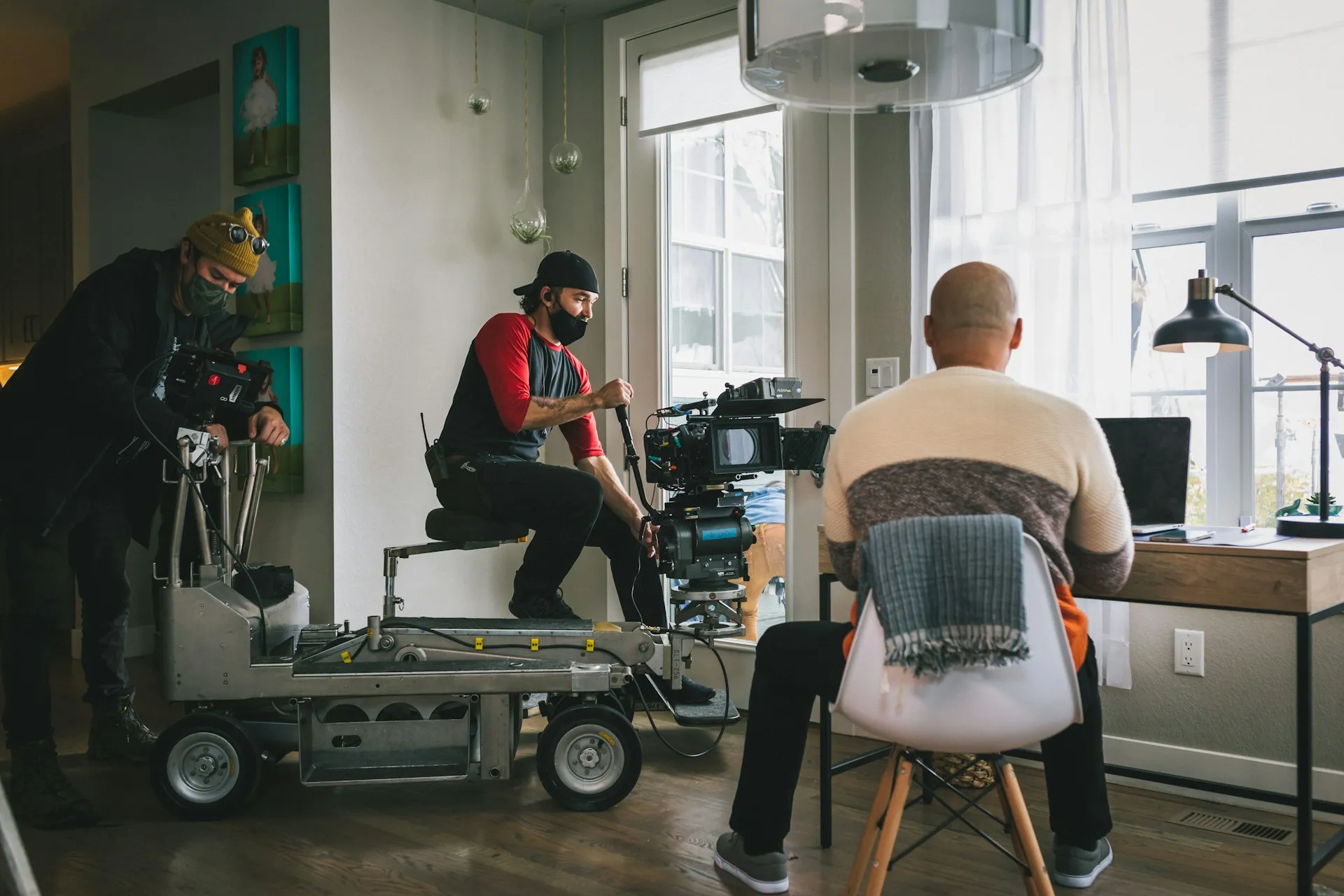
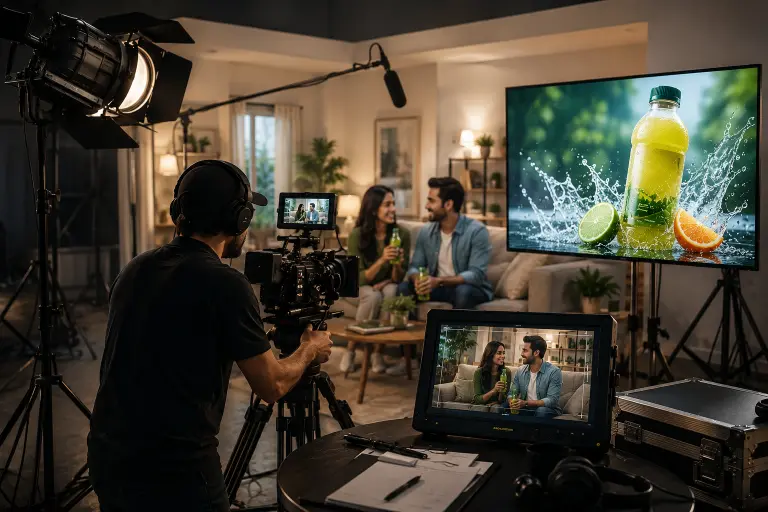
Production is the actual filming. A crew arrives with cameras, lighting, and audio equipment and captures the footage according to the plan. For nonprofit shoots, this often happens in real program environments, community spaces, service sites, and homes, which requires a crew that can work unobtrusively and put nervous subjects at ease.
Shoot days are usually shorter than nonprofit staff expect. A well planned single day can capture enough material for several finished videos.
Phase Three: Post-Production, or the Editing
Post-production turns raw footage into finished video: assembling the story, correcting color, mixing audio, adding music, and creating any text or graphics. This is where a collection of clips becomes something that moves a donor to give.
Nonprofits are often surprised by how much this phase determines the outcome. The same interview footage can become a forgettable video or an unforgettable one depending entirely on the edit.
Who Actually Makes a Nonprofit Video?
Nonprofit staff are often surprised by how many distinct skills a professional video requires. Understanding the roles clarifies what you are paying for.
A typical production involves a producer who manages logistics, scheduling, and communication with your team, a director who guides the creative vision and interviews your subjects, a camera operator who captures the footage, lighting and audio specialists who shape how it looks and sounds, and an editor who assembles it all afterward. Smaller productions combine roles; larger ones separate them further.
This is why one skilled freelancer and a full production team produce different results. A single person covering every role must compromise somewhere, usually on audio or lighting, and those are precisely the areas where nonprofit video most often fails. The practical takeaway is to match the size of the team to the importance of the video.
What Types of Video Do Nonprofits Actually Need?
Most nonprofits eventually need a small library rather than a single video. Here is what each type does.
Mission films introduce your organization and live on your homepage. Impact and beneficiary stories show a real person whose life your work changed. Fundraising appeal videos support a specific campaign with a specific deadline. Gala and event videos set the emotional temperature in the room before the ask. Recruitment videos attract volunteers and board members.
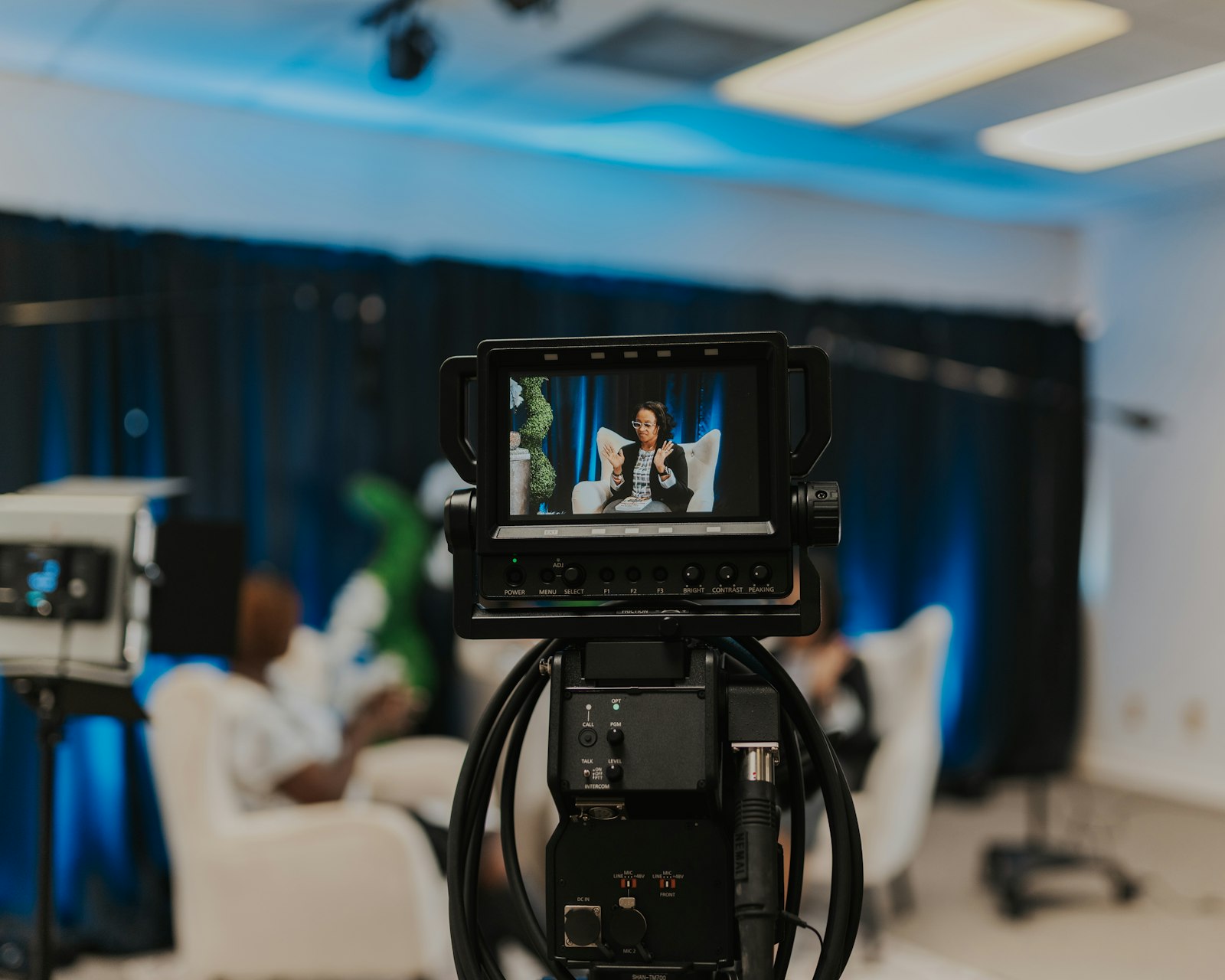
Organizations that host larger gatherings often pair these with event production and live streaming, which lets supporters who cannot attend still participate in the moment. Growing nonprofits also carry internal needs, where corporate and training videos reduce the overhead of repeating volunteer onboarding in person.
The type follows the goal. Decide what you need the video to accomplish, and the right format becomes obvious.
What Does Your Nonprofit Need to Bring?
This is the question that stops most nonprofit staff from starting, and the answer is reassuring: less than you think.
You bring the mission, not the script. A good production partner develops the concept, the interview questions, and the story structure. What you provide is clarity about your goal, your audience, and what you want a viewer to do afterward.
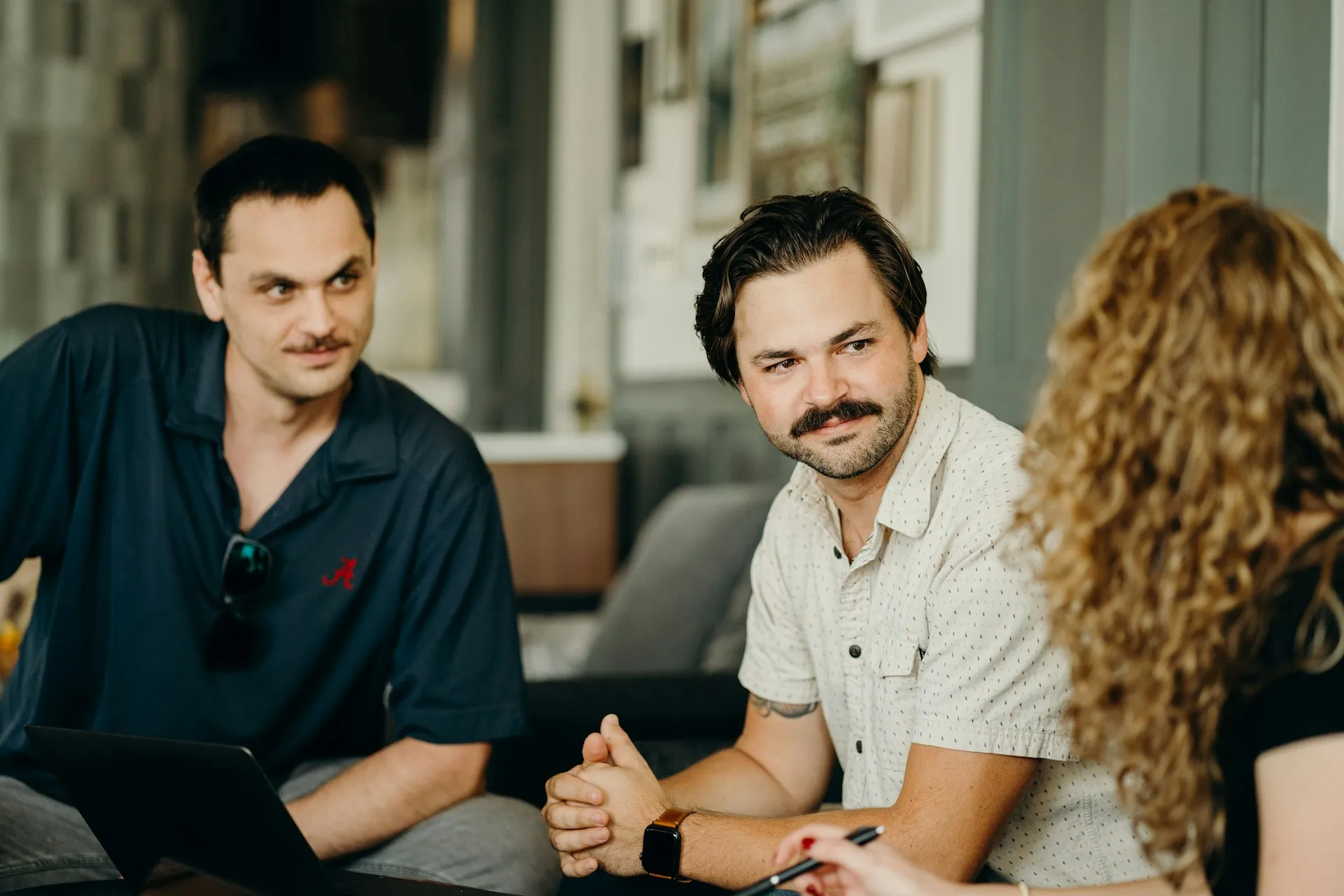
You bring access and relationships. The people who appear on camera trust your organization, not the film crew. Your staff facilitate that trust, help secure genuinely informed consent, and identify which stories are appropriate to tell.
You bring institutional knowledge. Your team knows which program moments are visually compelling, when they happen, and what a viewer needs to understand. That knowledge shapes a better film than any outside creative brief.
You do not need technical expertise. Equipment, crew, editing, and delivery formats are the production company's responsibility entirely. You are not expected to know a thing about cameras.
What Nonprofits Should Know Before Hiring
A few practical realities will make your first production go far more smoothly.
Plan around program reality, not the shoot. Film when your programs naturally happen. Staging activity for a camera produces footage that feels false, and donors notice.
One shoot can produce many videos. A well planned production day captures your mission film, beneficiary stories, and b-roll for the year. Ask any production company how they plan to maximize what a single shoot yields, because this is where nonprofit budgets are won or lost.
Consent is a process, not a signature. Ensure the people on camera understand where the video will appear, how long it will live online, and that declining carries no consequence for the services they receive.
Local partners cost less and know more. A nearby team means no travel days on the invoice and crew who understand your community. Portland Production Services has produced video for Pacific Northwest organizations for over 20 years, with fully owned equipment and an in-house crew across Portland, Beaverton, Hillsboro, Lake Oswego, Tigard, and Vancouver, WA. Owned gear matters here specifically because there are no rental markups on an invoice paid with donor dollars.
Video Production, Demystified
So what is nonprofit video production? It is a structured three phase process, planning, filming, and editing, that turns your mission into something people outside your organization can see, understand, and believe in. It involves a range of specialized skills, comes in several types matched to different goals, and rewards careful planning above all else.
You do not need to master the craft. You need to understand enough to hire well, protect the people you serve, and know what you are buying. Now you do.
Ready to Make Your First Nonprofit Video?
Portland Production Services has demystified video for Pacific Northwest nonprofits for more than 20 years, with owned gear, an in-house crew, and a process built to make the whole thing easy on your team.
Book a consultation with Portland Production Services and bring your mission in plain terms. We will translate it into a production plan and walk you through every step.
Already worked with PPS? Share your experience in a quick review and help the next nonprofit take the leap with confidence.
Frequently Asked Questions
1. What is nonprofit video production in simple terms?
Nonprofit video production is the complete process of planning, filming, and editing video for a mission driven organization. It moves through three phases: pre-production planning, production filming, and post-production editing. The goal is to turn a nonprofit's mission into video that donors, volunteers, and communities can see and understand.
2. How is nonprofit video production different from commercial video?
The technical process is similar, but nonprofit video asks viewers for belief rather than selling them a product, and it frequently features vulnerable people whose dignity must be protected. Nonprofit budgets also carry moral weight, since every production dollar is a dollar not spent on programs. These differences shape how the entire production is planned and conducted.
3. What does a nonprofit need to provide for a video shoot?
Your organization brings the mission, access to the people and programs being filmed, and institutional knowledge about what matters. You do not need a script, a creative concept, or any technical expertise, because developing those is the production company's job. Most importantly, your staff facilitate the trust and informed consent that make ethical storytelling possible.
4. How long does nonprofit video production take?
A typical nonprofit video runs several weeks from first conversation to final delivery, covering planning, filming, and editing. Pre-production and editing take the most time, while the shoot itself is often a single day. Timelines extend when a video must be filmed around specific program activities that only happen at certain times.
Key Takeaways
- Nonprofit video production is the full process of making mission driven video, moving through three phases: pre-production planning, production filming, and post-production editing.
- It differs from commercial video in purpose and responsibility, asking viewers for belief rather than a purchase and requiring careful protection of the dignity and consent of the people featured.
- Your nonprofit brings the mission, access, and knowledge, not a script or technical expertise. Concept, crew, equipment, and editing are the production company's job entirely.
- Planning determines everything. One well planned shoot day can produce a mission film, beneficiary stories, and a year of footage, which is how nonprofit budgets stretch furthest with PPS's 20+ years of Pacific Northwest experience, owned gear, and local crew.

Unleash Your Inner Creative Madness With Us!
info@portlandproductionservices.com
503-317-6447
© Portland Production Services 2026
8816 SE 29TH AVE
MILWAUKIE OR 97222-6323, US

