



Marketing Video Production: Types, Process & Costs
Marketing video production helps businesses turn goals into results by choosing the right video type, following a proven production process, and aligning project scope with budget and distribution strategy.
If you are researching marketing video production, you almost certainly have three questions: what kind of video do I need, how does the process actually work, and what is this going to cost. Most articles dodge all three. This one answers them directly.
By the end you will understand the main types of marketing video and when to use each, the production process from first conversation to final delivery, and the real factors that drive cost. When you are ready to move from research to a real plan, marketing video production scoped to your specific goals starts with a conversation, but the clearer you are going in, the sharper that conversation will be. So let us make you clear.
The Main Types of Marketing Video Production
Marketing video is not one thing. Different goals call for different formats, and matching the type to the objective is the first decision that determines whether the video earns its budget.
Brand Videos
A brand video communicates who you are, what you stand for, and why someone should care. It is the anchor asset for most marketing strategies, typically running thirty to ninety seconds, and it sets the tone the rest of your content lives inside. Use it when you need to make a strong first impression at scale.
Explainer and Product Videos
Explainers and product videos show how your offering works and why it matters. They are highly effective for businesses where buyers need to understand something before they buy it, reducing pre-sale friction and answering practical questions faster than any block of text. These convert curiosity into comprehension.
Testimonial and Case Study Videos
Customer testimonials let your existing clients make your case for you, which is why they consistently outperform brand-voiced content for conversion. They work hardest at the bottom of the funnel, where a real customer's voice removes the doubt that stalls a purchase decision.
Social and Short-Form Videos
Short, platform-native videos for Reels, TikTok, and Shorts build reach and keep a brand visible between bigger campaigns. They prioritize a fast hook and muted-friendly storytelling, and they are most efficient when cut from a larger shoot rather than produced one at a time.
Internal and Training Videos
Not all marketing videos point outward. Corporate and training videos support onboarding, culture, and internal communication, and producing them alongside external content keeps the brand consistent from a prospect's first ad to an employee's first day.
Industry-Specific Marketing Videos
The right marketing video changes by industry. A construction firm marketing capability to developers needs to show scale and reliability on the job site, while a healthcare provider marketing to patients needs warmth, clarity, and careful attention to tone. The format may be the same, but the strategic build differs completely.
The Marketing Video Production Process, Step by Step
Professional marketing video production follows a clear sequence. Understanding it helps you know what to expect and where your input matters most.
Step 1: Discovery and Strategy
The process starts with your business goal, your audience, and the metric the video needs to move. No equipment talk yet. This phase defines what success looks like before a single creative decision gets made, and it is the phase amateur providers skip.
Step 2: Pre-Production
Pre-production is where the real work happens: concept development, scripting, shot lists, location scouting, casting, scheduling, and logistics. A thorough pre-production phase is the single biggest predictor of whether a shoot goes smoothly and the final video works. This is also where a good production company maps every asset the shoot will produce, so nothing usable gets left behind.
Step 3: Production
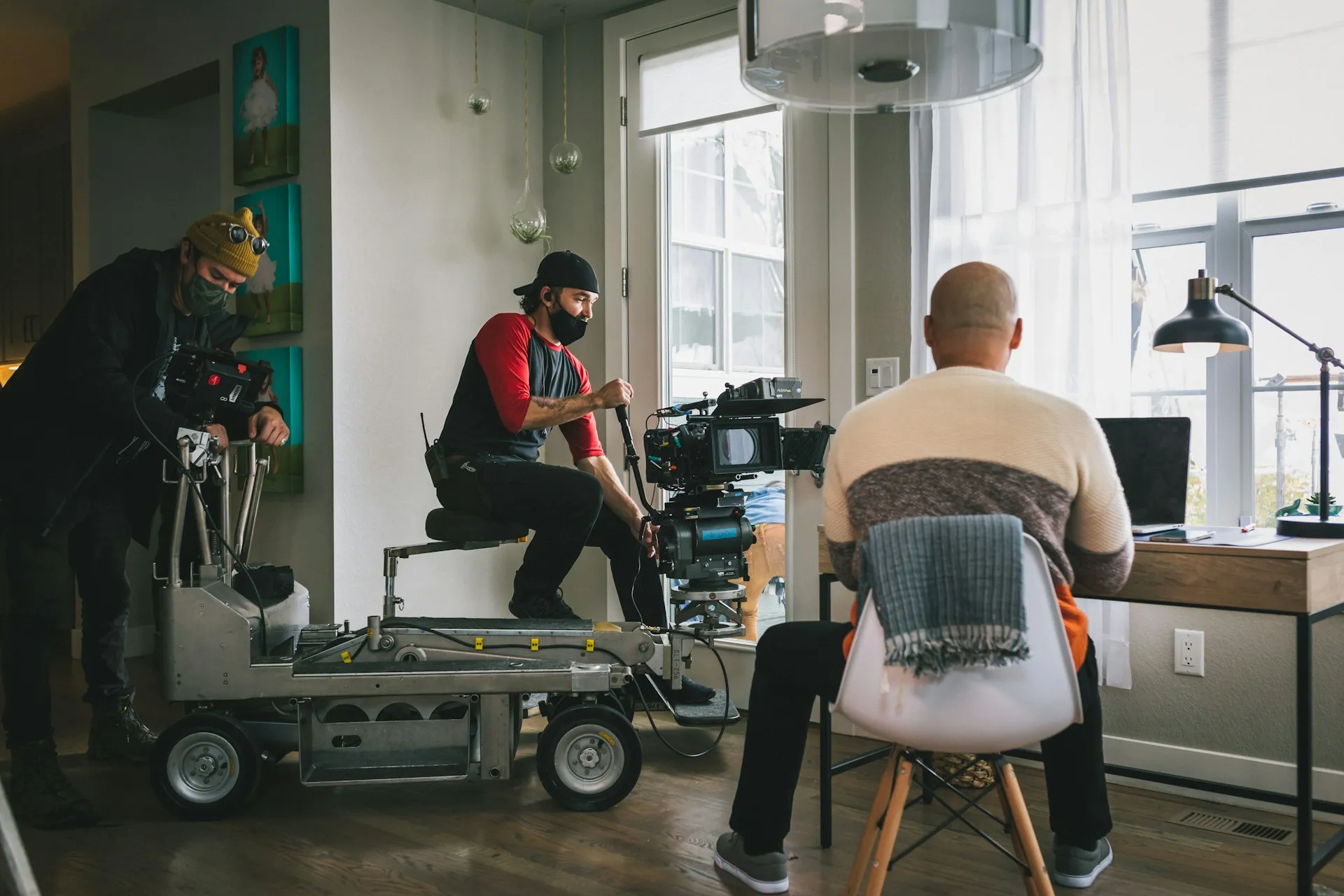
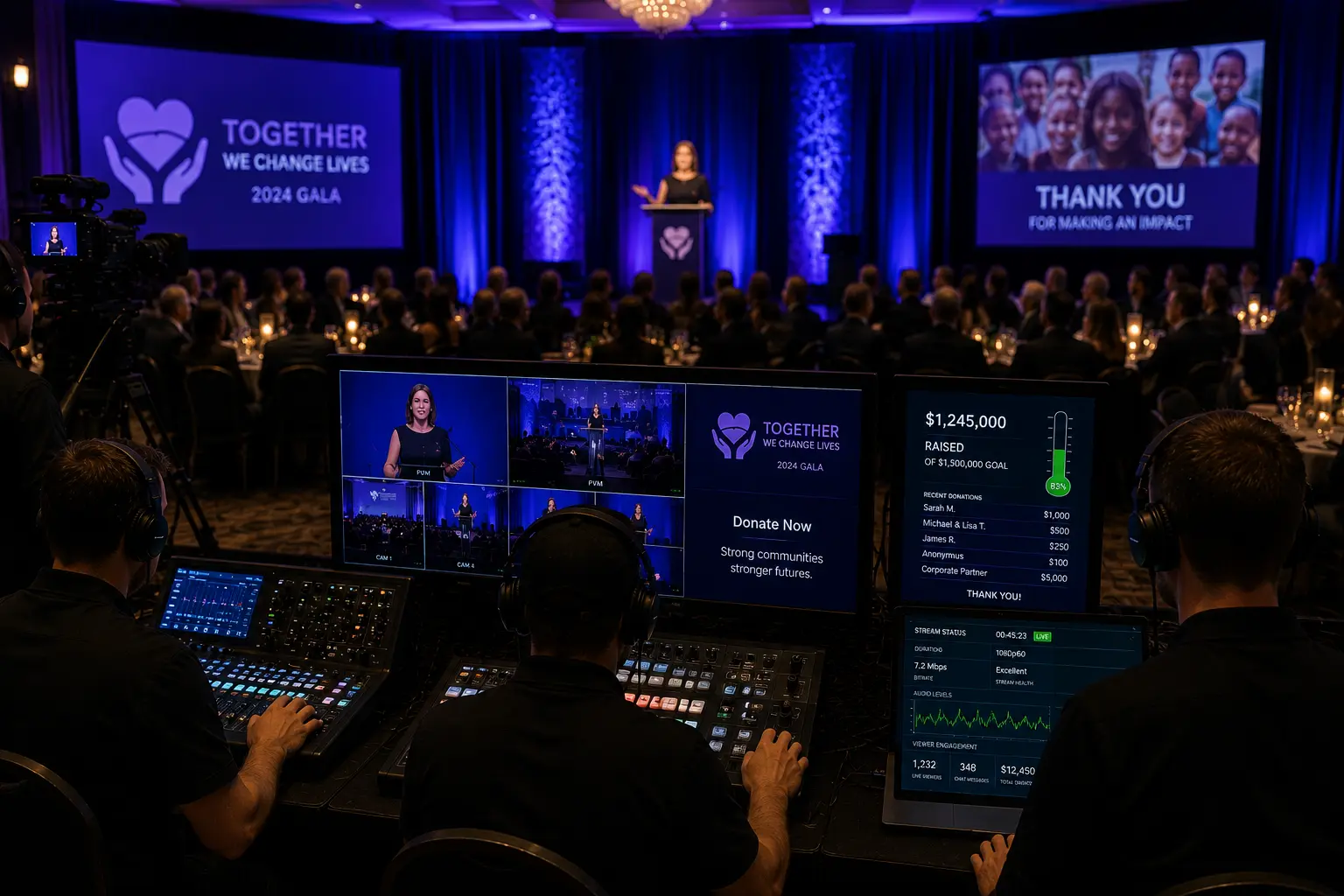
The shoot itself. Professional camera, lighting, audio, direction, and crew execute the plan built in pre-production. When the planning is solid, shoot days run on schedule, which directly protects the budget.
Step 4: Post-Production
Editing, color grading, sound mixing, music, motion graphics, and titles turn raw footage into a finished video. This phase builds the pacing and emotional impact that decide whether the video holds attention. A strong edit elevates a good shoot; a weak edit wastes one.
Step 5: Delivery and Deployment
Final masters plus every platform-specific cut, formatted and named for immediate publishing. A complete service delivers the vertical, square, and short-form versions your channels need, not just a single master file.

What Drives the Cost of Marketing Video Production
Cost is the question everyone wants answered and most providers avoid. Here is the honest version: marketing video production does not have a single price because it does not have a single scope. What it has is a set of cost drivers, and understanding them lets you build a video that fits your budget instead of being surprised by it.
The Factors That Move the Number
Crew size. A solo shooter costs less than a full crew with a director, camera operator, lighting, and audio. More complex videos need more hands, and the crew is often the largest line item.
Shoot days. Each production day carries crew, equipment, and location costs. A tightly planned one-day shoot costs far less than a sprawling multi-day production, which is why pre-production planning saves money.
Locations. A single controlled location is inexpensive. Multiple locations, permits, or specialized settings add cost and logistics.
Talent. On-camera professional talent, voiceover, and casting add cost. Using real team members or customers reduces it, and often increases authenticity.
Post-production complexity. Simple cuts are quick. Heavy motion graphics, animation, color work, and multiple deliverable formats extend the edit and the cost.
Deliverable count. One master is one price. A master plus vertical, square, and short-form cuts adds editing time, though producing them together is far cheaper than separate shoots.
How to Think About Budget
The smart approach is to define your goal and your total budget first, including the media spend to actually run the video, then work backward to a scope that fits. A common mistake is spending everything on production and having nothing left to distribute the video. A good production partner helps you split the two intelligently and scopes the project to your real number.
This is also why batch production is the budget secret for smaller brands. A small business that captures several videos in one planned shoot day spreads the fixed costs of crew and setup across multiple finished assets, dropping the cost per video dramatically.
Because every project is scoped differently, the only accurate way to get a real number is a conversation about your specific goals. PPS scopes each project to the client rather than working from a fixed rate card.
Marketing Video Production in Portland and the Pacific Northwest
Local production affects all three of the questions above: it shapes which types are feasible, smooths the process, and directly lowers cost.
Portland Production Services has produced marketing video across Portland, Beaverton, Hillsboro, Lake Oswego, Tigard, and Vancouver, WA for more than 20 years, with fully owned equipment and an in-house crew. Owned gear keeps pricing predictable because there are no rental markups, and a local crew eliminates the travel days that inflate out-of-market invoices. The team also knows the region's locations and weather windows, which shortens pre-production and prevents the surprises that drive up cost.
The Pacific Northwest itself is a production asset. Authentic regional locations do brand work that stock footage never will, and local audiences immediately recognize marketing video that genuinely belongs to their market.
From Research to a Real Plan
You came in with three questions. The types tell you what to make, the process tells you how it gets made, and the cost drivers tell you what shapes the investment. The throughline across all three is planning: the right type chosen deliberately, a process that front-loads strategy, and a scope built around your actual budget and goals.
Marketing video production rewards clarity. The clearer you are about what you need and why, the more efficiently a good partner can build it.
Let's Scope Your Marketing Video Project
Portland Production Services brings 20+ years of marketing video experience, fully owned gear, and a local Pacific Northwest crew to brands ready to move from research to results.
Get a project consultation from Portland Production Services and bring your goal, your audience, and your budget range. We will scope a video that fits all three.
Already produced a project with PPS? Leave a quick review about your experience and help the next Portland business plan with confidence.
Frequently Asked Questions
1.What are the main types of marketing video production?
The core types are brand videos, explainer and product videos, testimonial and case study videos, short-form social videos, and internal or training videos. Each serves a different goal, from making a first impression to closing a sale to building reach. Choosing the type that matches your specific objective is the first step that determines whether the video earns its budget.
2.What is the marketing video production process?
Marketing video production follows five steps: discovery and strategy, pre-production planning, the production shoot, post-production editing, and delivery in platform-specific formats. Strategy and pre-production come first and matter most, because they determine whether the shoot runs smoothly and the final video works. The shoot itself is only one stage in a longer, planning-driven process.
3.How much does marketing video production cost?
Cost depends on crew size, number of shoot days, locations, talent, post-production complexity, and how many deliverable formats you need. Because scope varies so widely, there is no single price, but the most cost-effective approach is defining your goal and budget first, then scoping the project to fit. Capturing multiple videos in one planned shoot day lowers the cost per finished asset significantly.
4.How long does marketing video production take?
A standard marketing video typically runs four to eight weeks from kickoff to final delivery, covering strategy, pre-production, the shoot, and editing. Simpler projects move faster, while complex productions with multiple deliverables or heavy post-production take longer. Experienced teams with owned equipment can compress timelines when a launch date requires it.
Key Takeaways
- Marketing video comes in distinct types, including brand, explainer, testimonial, short-form, and internal videos, and matching the type to your goal is the first decision that determines results.
- The production process runs in five stages, with discovery and pre-production mattering most because they decide whether the shoot succeeds and the final video performs.
- Cost is driven by crew, shoot days, locations, talent, post-production, and deliverable count, so defining your goal and budget first lets a partner scope a video that fits rather than surprises.
- PPS brings 20+ years of Pacific Northwest experience with owned gear and a local crew, keeping pricing predictable and scoping every marketing video project to the client's specific goals.
There's more ...

Unleash Your Inner Creative Madness With Us!
info@portlandproductionservices.com
503-317-6447
© Portland Production Services 2026
8816 SE 29TH AVE
MILWAUKIE OR 97222-6323, US

