




7 steps to a successful social media video marketing strategy
At the beginning of any new social media undertaking, there’s a need to set goals. What do you want your videos to accomplish? Where in the marketing funnel will these videos fall?
A successful social media video strategy requires more than just filming and posting. Follow these 7 steps: set clear goals, choose your platforms, select your video types, plan production, understand post-production, schedule and promote, and analyze your metrics.
Why Social Media Video Demands a Strategy
Between 2013 and 2018, the amount of time that people spent watching videos online increased at an average rate of 32% per year. According to Statista's online video consumption data, the average person now spends well over 100 minutes a day watching online videos. Marketers need to take note of this when planning their video marketing strategy on social media.
Luckily, there are many ways that video can be used in social media marketing. We're not limited to TV-style ads or perfectly polished educational videos. With the introduction of live streaming videos, an interest in brand authenticity and accessible editing apps, it's easier than ever to dip your toes into the video marketing world.
Step 1: Set Goals for Video Marketing
At the beginning of any new social media undertaking, there's a need to set goals. What do you want your videos to accomplish? Where in the marketing funnel will these videos fall?
If you're just starting out, create only a few goals so you don't become overwhelmed. An example of a video marketing goal would be creating brand awareness. This becomes specifically tied to the type of video you'll produce and will inform your future content as well.
For some brands, videos are used heavily for advertising. They may start on a product page on the website and then branch out to a social ad. Others create videos only for social media ads. There are five stages of a marketing funnel and videos can fall easily into each stage, as long as you develop your video content strategy to intentionally target these stages.
Setting your goals and identifying the funnel stage will help you create highly effective calls to action in your video content.
Step 2: Decide on Your Platforms
Every major social media platform has its own form of video. Older platforms like Facebook offer several video types, while newer ones like Snapchat and TikTok rely heavily on one format.
If you've never used video on any platform, begin with the ones where you already have established audiences. According to Sprout Social's video engagement research, audiences on Instagram, Facebook, and Snapchat spend around half of their time on the network watching videos. Choosing any of these three to begin your video marketing would be a good first step.
Another consideration for choosing the right platform is understanding what each one offers and what video dimensions can be displayed. This is important because if you'd like to repurpose your videos, it's best to choose platforms that complement each other. For recurring series such as product how-to guides, look at networks like YouTube and Facebook where you can categorize them into playlists.
Step 3: Select Your Video Types
There are many video types out there, and determining which works best for your brand is an important step in your marketing strategy. Here are a few popular video formats and their benefits:
Educational videos are informative and can create brand awareness for new customers. They establish the brand as an expert and often take a polished tone.
Behind-the-scenes videos give a look into company operations and employees. They can serve to entertain the audience or give a virtual peek behind the curtain.
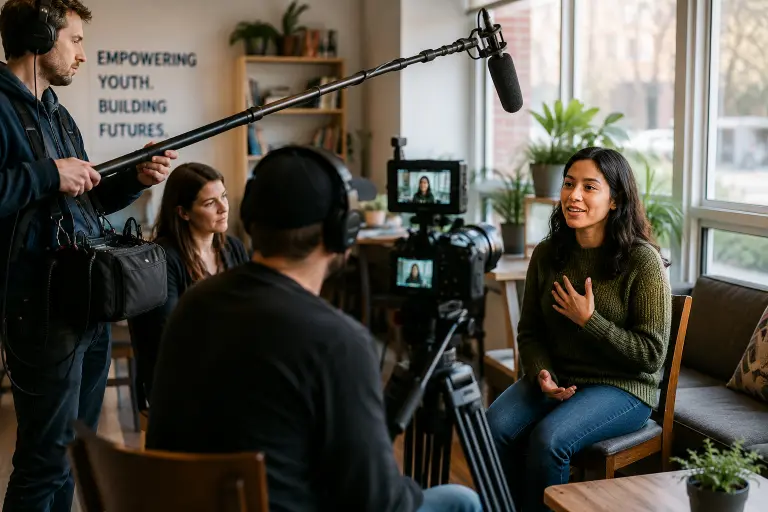
Interviews with guest speakers are a great way to introduce your audience to a new influencer and provide a little more authenticity to your brand.
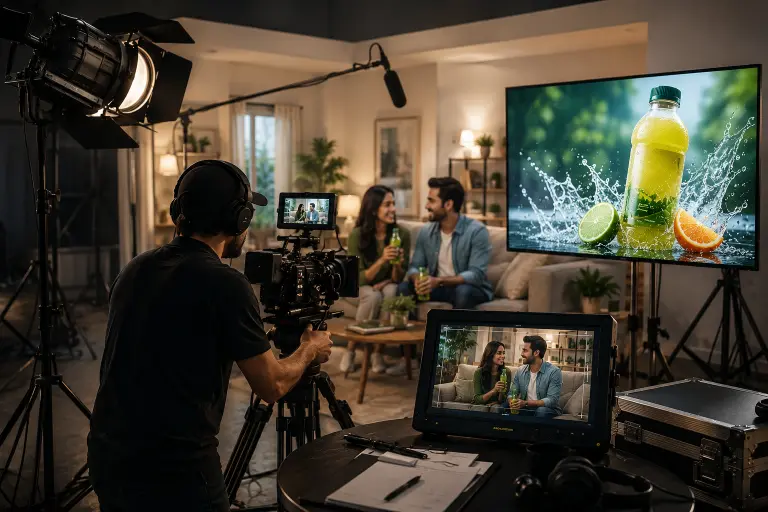
Testimonial videos showcase how a customer uses your product or service. According to research, 48% of consumers want the video to reflect the specific product or service they own or are interested in. If you're unsure which type to focus on, this is a reliable starting point.
Step 4: Plan the Content Production
A good content production plan will save you time and money in the long run. Whether you plan it with a flowchart or old-fashioned pen and paper, you need to know how videos will be created and filmed.
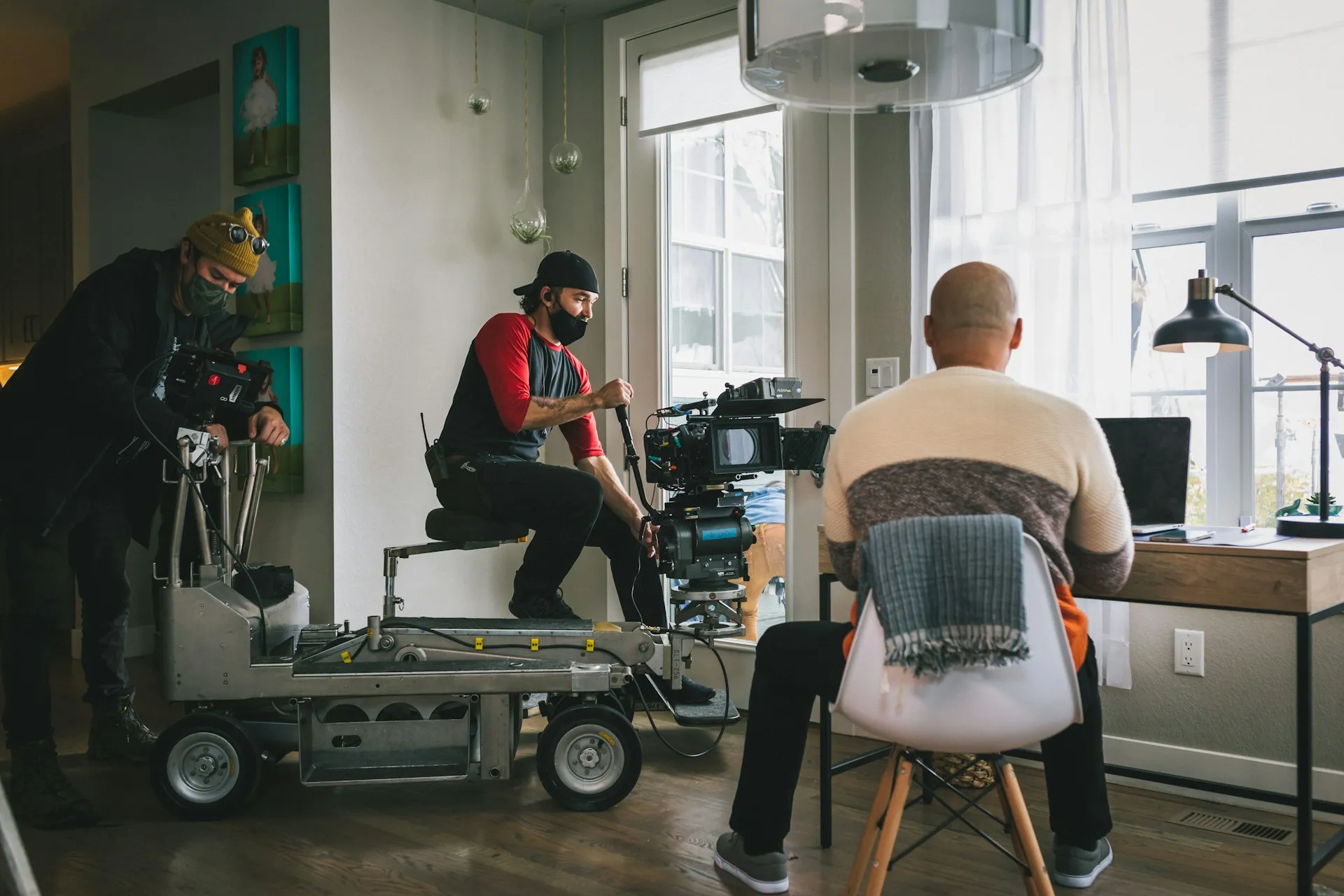
Hiring an agency or production company will alleviate a lot of the stress in this stage and the next. They'll handle all of the planning and approvals. But if you're planning to do this in-house, you'll need to think through all the steps for a video, including identifying needed equipment and props, writing and editing a script, storyboarding the video, identifying filming locations, determining who will do approval sign-offs at each step, and checking that the music you're using is licensed.
For small businesses and teams new to video production, working with an experienced agency is often the fastest path to a strong first video and a repeatable process going forward.
Step 5: Know What Post-Production Entails
You want to allow plenty of time for post-production, especially if your videos will be used for ads or have heavier editing needs. Post-production does not mean just cutting scenes and putting them back together to music. It also includes additions like closed captions, text overlays, call-to-action screens, and more. The more polished you want the final product, the more time you'll need.
For live streaming content, post-production is minimal since the video is published immediately. But for uploaded videos on YouTube or for paid social campaigns, plan for a full editing and review cycle. Know what you're getting yourself into before you start.
Step 6: Schedule and Promote the Videos
Now that you have the completed video, it's time to schedule and promote it. Some management platforms like Sprout Social offer publishing options for videos, including details like tags, category, playlist, and privacy settings.
Don't think of videos on social media as one-and-done. One fully produced video could be uploaded to several networks over a month-long time period, depending on your social schedule. On Twitter, you could promote it many times. For livestreams, promote frequently in advance to ensure people join at the right time. One film recording session could also produce multiple videos through different edits and clips.
Step 7: Understand and Analyze Metrics
The last step is the most important: analyzing performance. You won't know how a video performs unless you examine the statistics associated with it. What are the view counts? The watch times? The shares and likes and comments? Each network provides different sets of metrics, so it's important to understand them before production begins.
The metrics you use to analyze success should match the goals you set in step one. If you wanted brand awareness for a video, your call-to-action might be to include a website link for viewers to learn more. The matching metric would be link clicks. It's also important to keep in mind that even older videos will be watched. With the right combination of keywords and an evergreen topic, a three-year-old video might still be relevant to your users today.
For a deeper look at how video fits into your overall digital presence, check out our blog on ad campaign video strategy for more insight into how video performs at the paid media level.
Start Building a Social Media Video Strategy That Lasts
Social media video marketing doesn't have to be overwhelming. When you break it down into these seven steps, you turn an intimidating project into a manageable, repeatable process. The businesses that see the best results are those that treat video as a long-term investment rather than a one-time effort.
Start with clear goals, choose your platforms thoughtfully, invest in the right video types, and commit to analyzing what works. Over time, you'll build a library of content that drives consistent traffic, nurtures leads, and reinforces your brand across every channel where your audience spends time.
Portland Production Services helps businesses at every stage of this process, from strategy and scripting through production and distribution planning. Get in touch today to build a social media video strategy that actually gets results.
Ready to build a video strategy that drives real engagement? Talk to our team today!
There's more ...

Unleash Your Inner Creative Madness With Us!
info@portlandproductionservices.com
503-317-6447
© Portland Production Services 2026
8816 SE 29TH AVE
MILWAUKIE OR 97222-6323, US

